Bittersweetly, my sabbatical will come to an official end in a couple of weeks. I’m still figuring out whether I’ll post here, elsewhere, or both. I do plan to keep writing in some capacity.
And I do hope there are more sabbaticals in my future. The dream is to begin my next 10-year+ work journey now, and then be able to take another extended break.
In the meantime, I’ll post here at least when I travel or vacation. And a guest-poster or two may be writing here soon as well. I’m excited to see what they have to say!
On the last morning of my recent trip to Amsterdam, I had time to check out one more coffee shop before leaving for the airport. Google Maps is a blessing and a curse, because you can always find something good, but by the time you get there, you often know so much about the place that the sense of discovery is all gone.
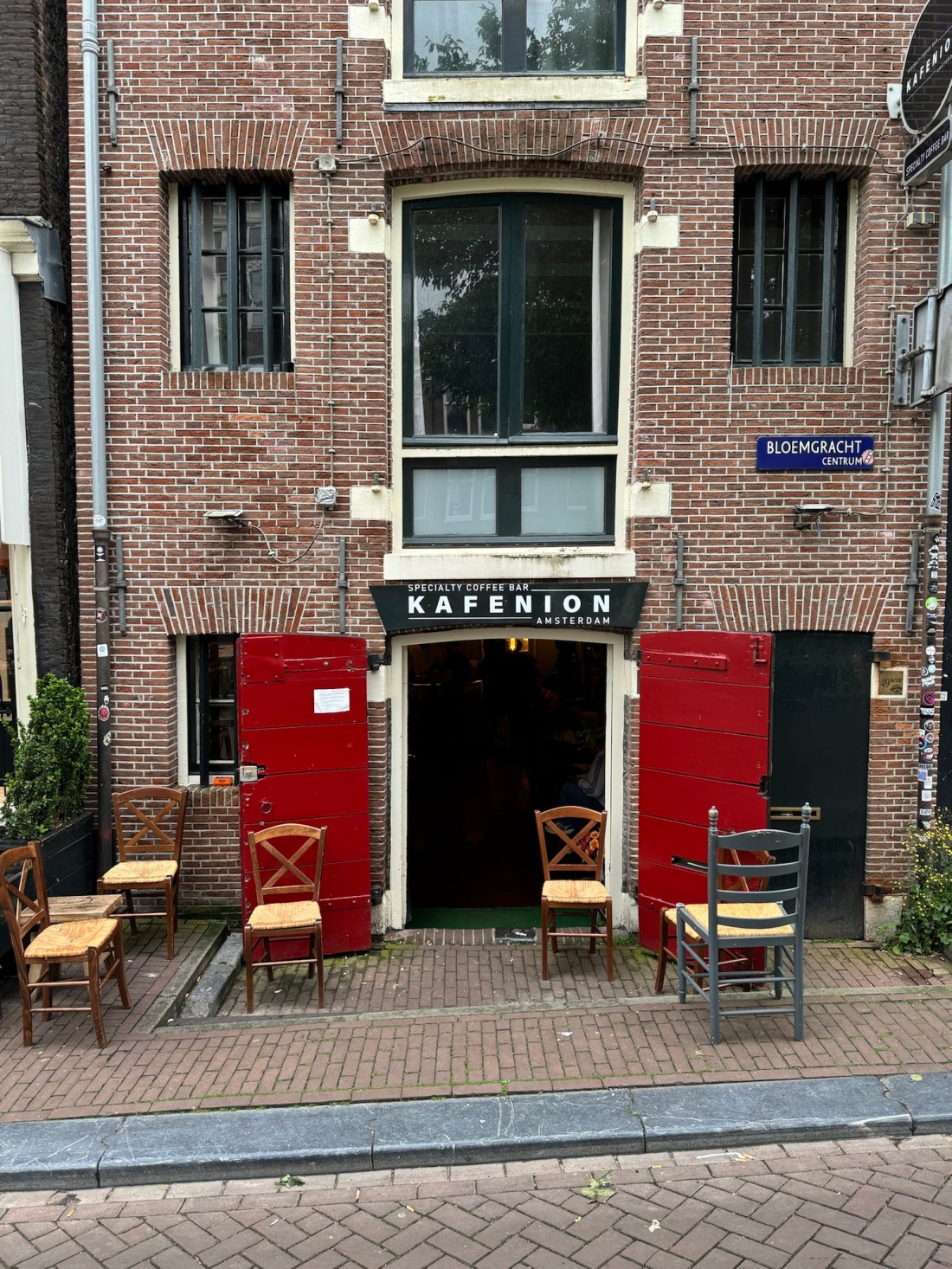
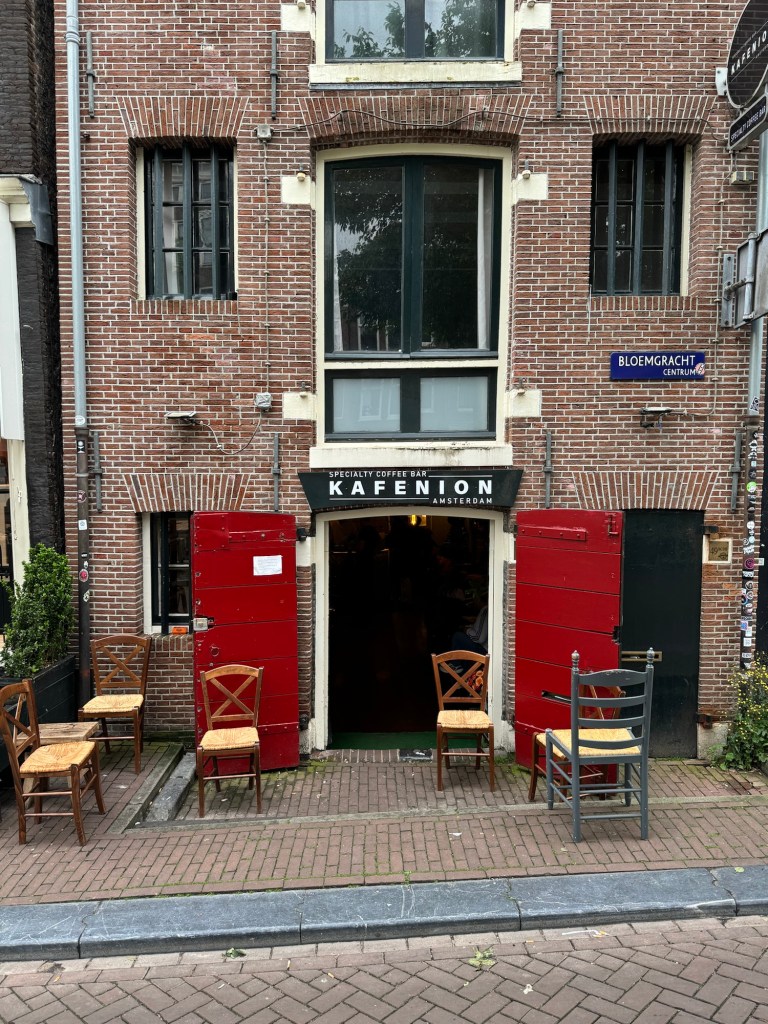
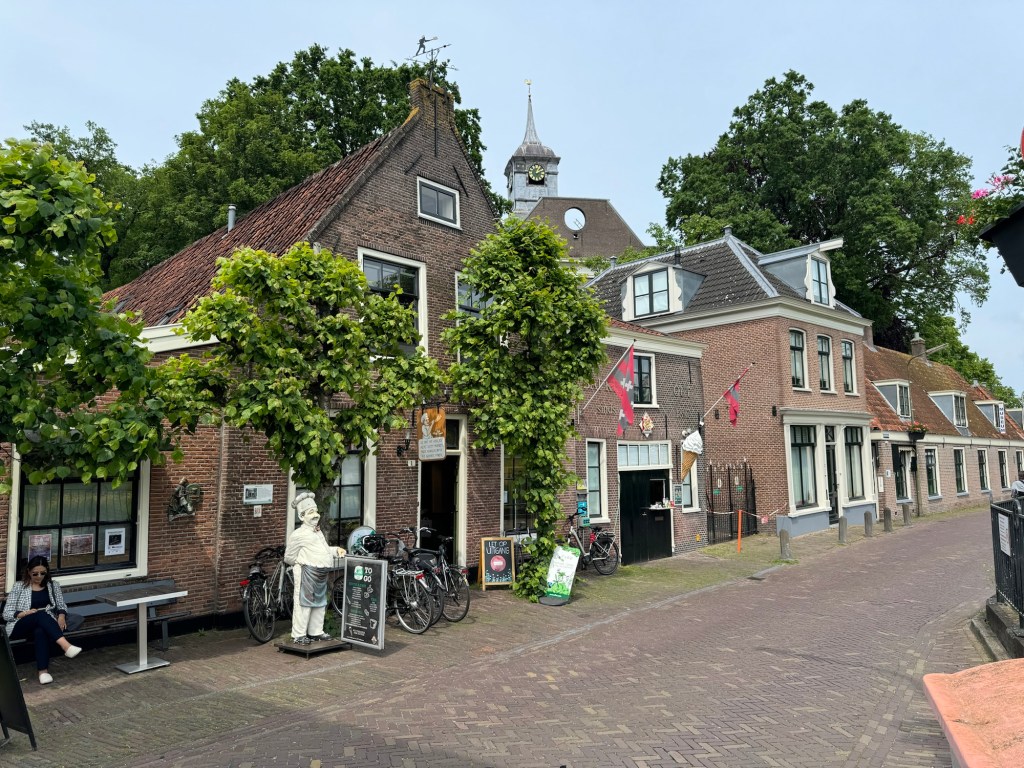
There was a coffee shop called Kafenion right next door to my Airbnb, which I’d poked my head into on my first day. It was absolutely packed, a good sign, but looked kind of old school and had a strange vibe. So I found another place that seemed more modern.
This last morning, as I looked through Google Maps, there were a bunch of options I hadn’t tried, all within a short walk.
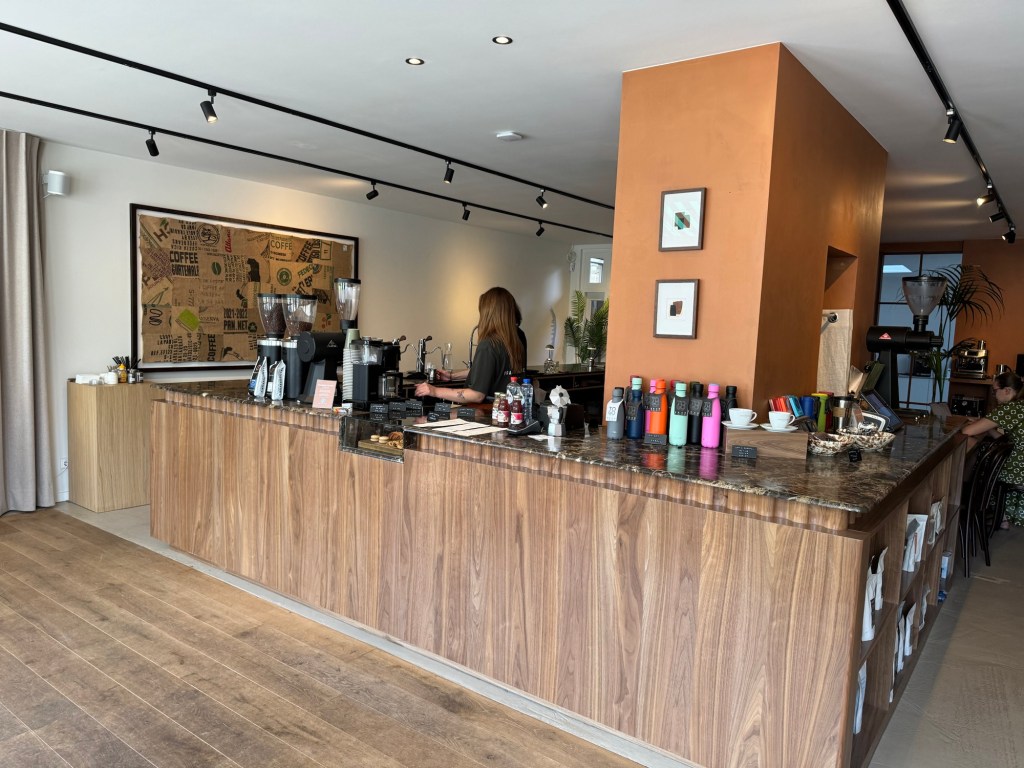
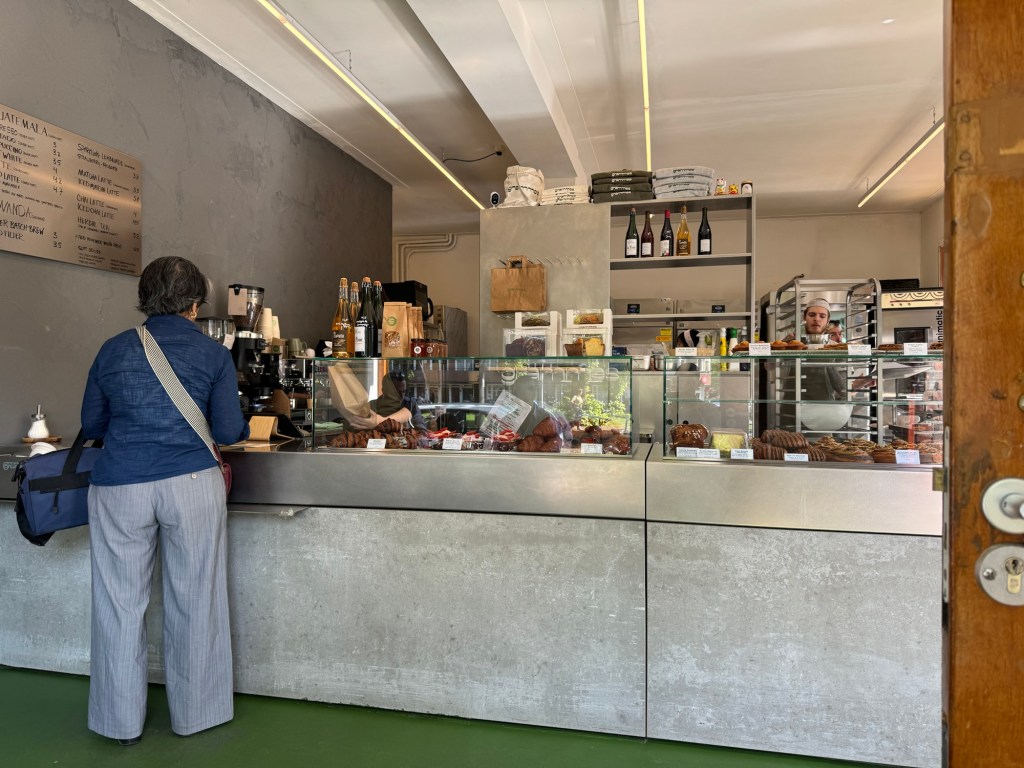
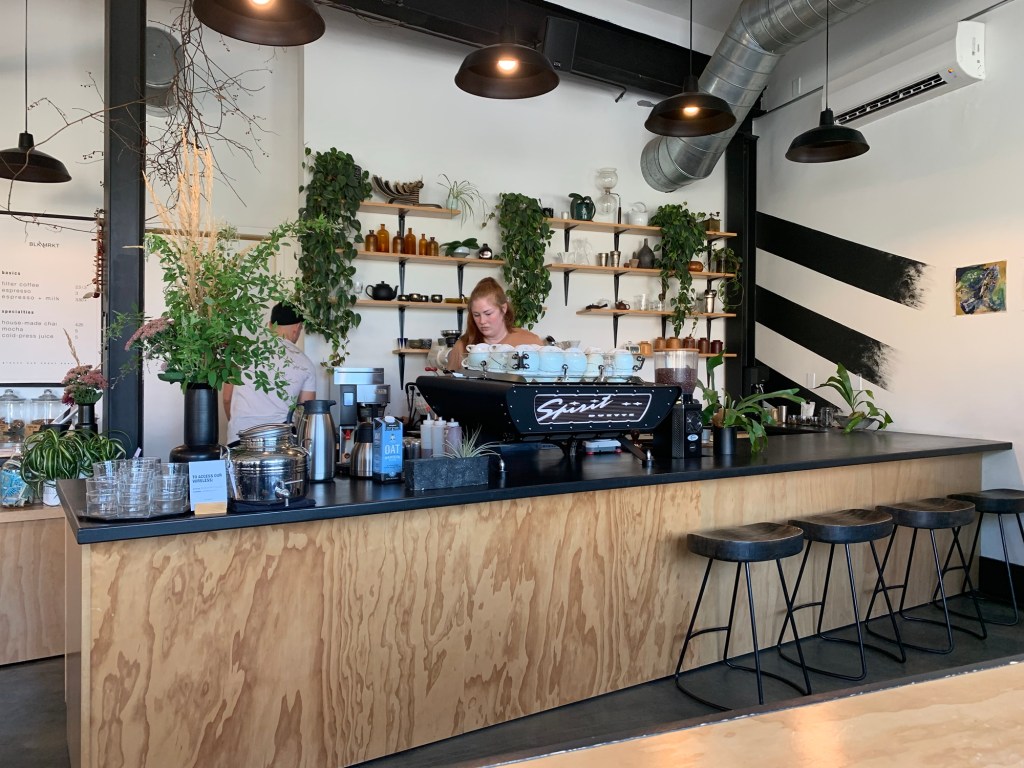
But, they all pretty much looked like this.Or this.Or this.
… natural wood, airy, brass, granite, stainless steel, minimalist. Don’t get me wrong, I love hanging out in places like this, and loved each of these individual places when I visited them.
But it’s a bit of a bummer when you’re traveling, looking for new experiences, and you’re hanging in a bunch of places that from the inside could be in New York, Chicago, London, Amsterdam, Buenos Aires, or Tokyo. Lots of people have written about the loss of local character and increasing “sameness” of many great cities, and that morning, I was feeling it. Of course, if there’s a problem here, I’m part of it: I always do my research on Google Maps, always look at the pictures, and had already visited five different modern espresso cafes with Scandinavian minimalist design and single origin beans.
So, I decided to try Kafenion, the place right next store that had been packed, but seemed a bit weird. I figured, best case it’s great and different, and interesting. Worst case I don’t love it but it’s still coffee.
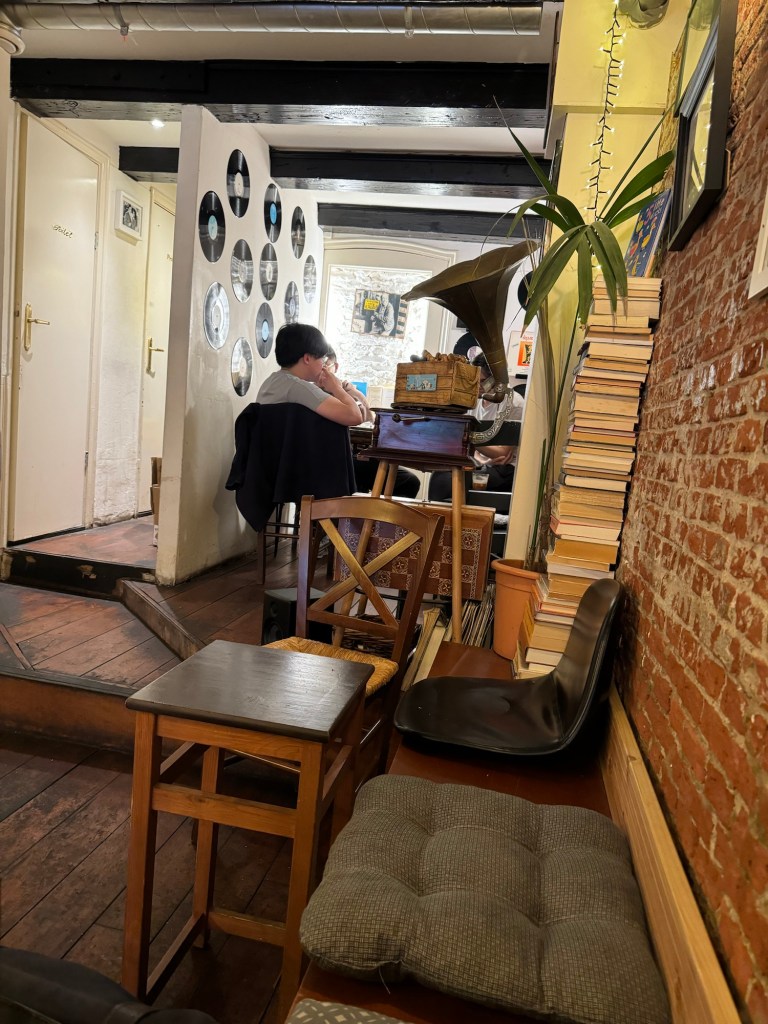
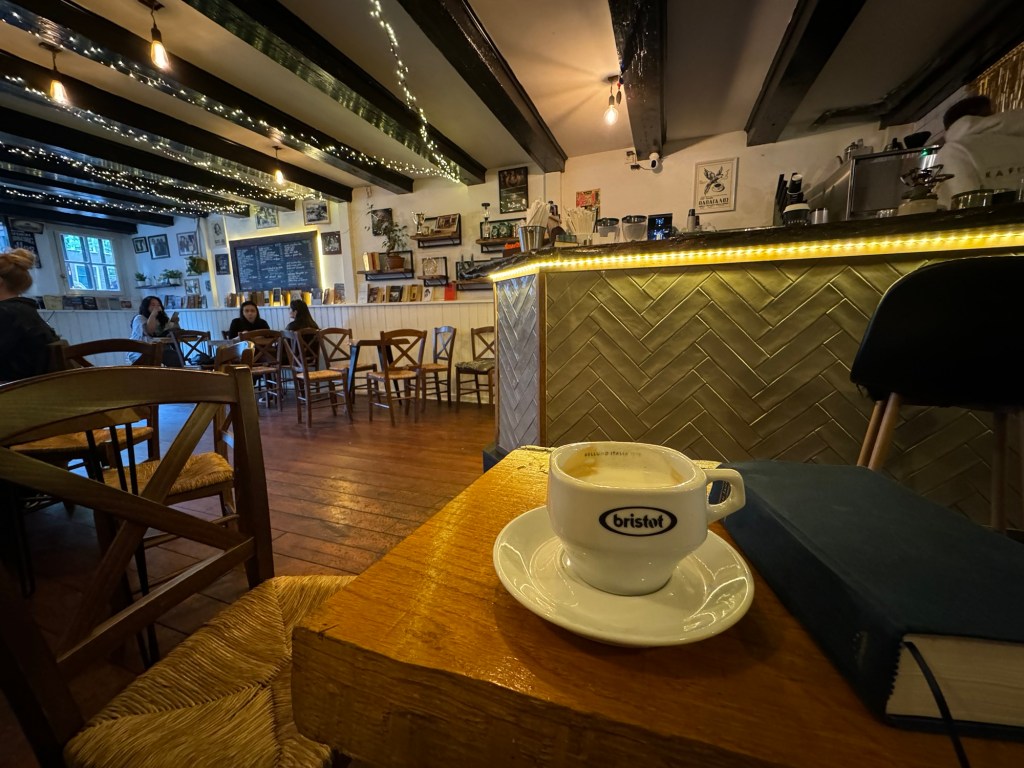
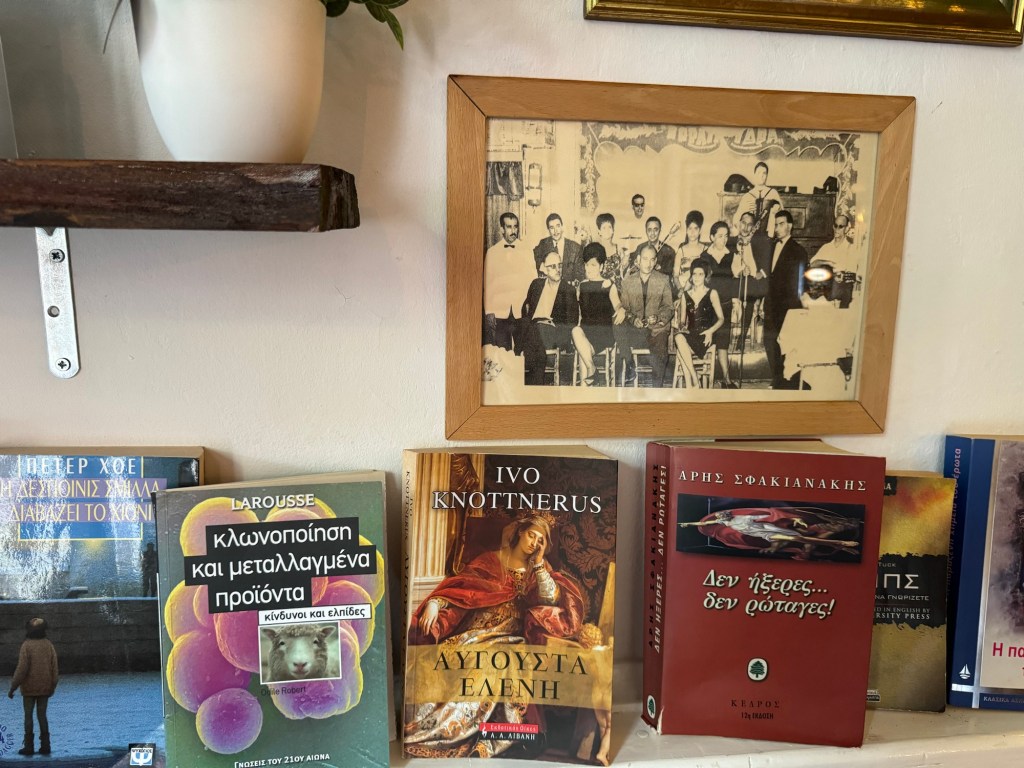
I walked in, and it’s a big space, but nearly every seat was taken. It seemed to be 50% hip young Amsterdammers, and 50% old Greek guys. There was no latte art, no bronze fixtures, no blonde wood, and no neon. It was dark, with dark wood, black and white photos, stacks of books in Greek, and a bunch of chess boards (another very good sign). The seemed to be high-quality Italian, but not exotically grown and locally roasted. The only thing artisanal was the olive oil (I’ll get to that).
The barista/manager/owner(?) took my order. I later got his name, Omar. He asked me a question I don’t usually get asked at coffee shop, “Is strong okay?”
I thought he meant a dark roast, and I said whatever he recommends is fine. He looked at me kind of funny, so I asked, did you mean the roast? No, he said, the caffeine content. I told him yes! Strong is great. I was low on sleep and had a long travel dat ahead. Then he gave me that look that tells you someone is sizing you up a little. He apparently decided I was open enough to suggestion, and he ask, “Do you want something kind of weird? If you don’t like it, I’ll make you something else.” Now we’re talking. Yes! This is what I came for.
Omar started doing his thing, making the espresso, steaming the milk. Then he measured and poured in two spoonfuls of something thick. I assumed it was some kind of homemade syrup, and I really don’t like sugar in my coffee, so I was prepared to not like it but pretend to, because I didn’t want to hurt his feelings. When I tried it, it was unexpected—great coffee, something strange about it, but definitely no sugar. I asked what was in it.
“It’s olive oil, a very special olive oil from my family. You can’t taste it much, but it makes everything very smooth and nice.” I told Omar I loved it, he fist bumped me, and then I stayed and enjoyed the atmosphere and the drink, and ordered another for the road.
It was a perfect cap to a great trip, an experience I wouldn’t get anywhere else, and a reminder to take more chances and do less research.
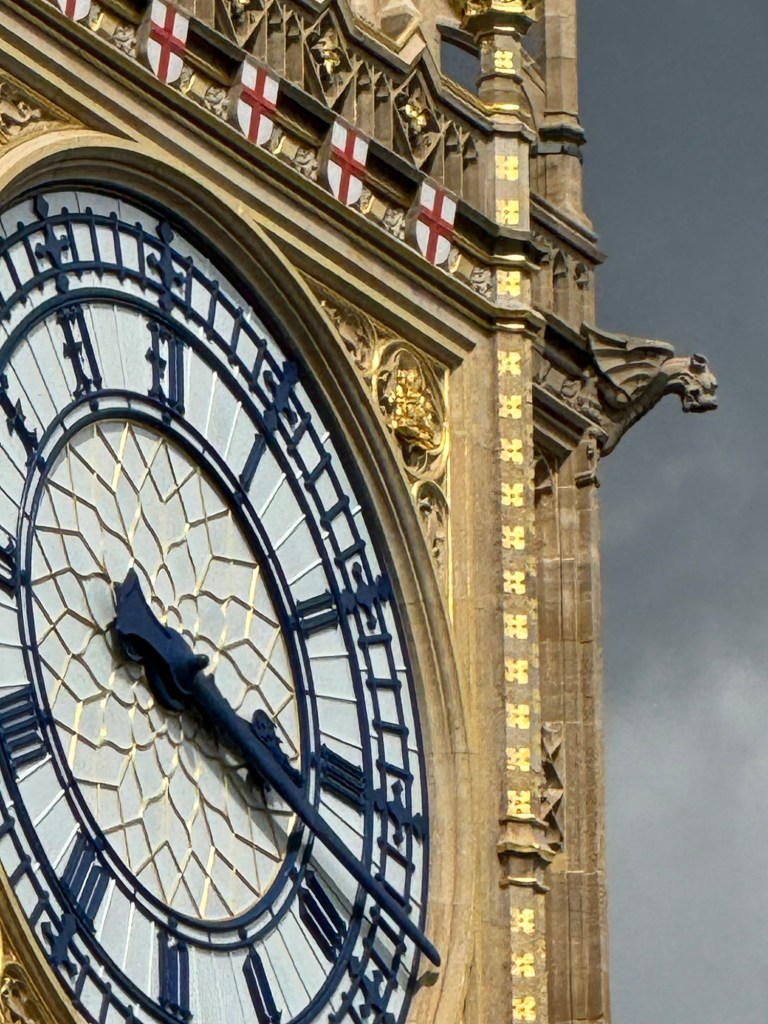
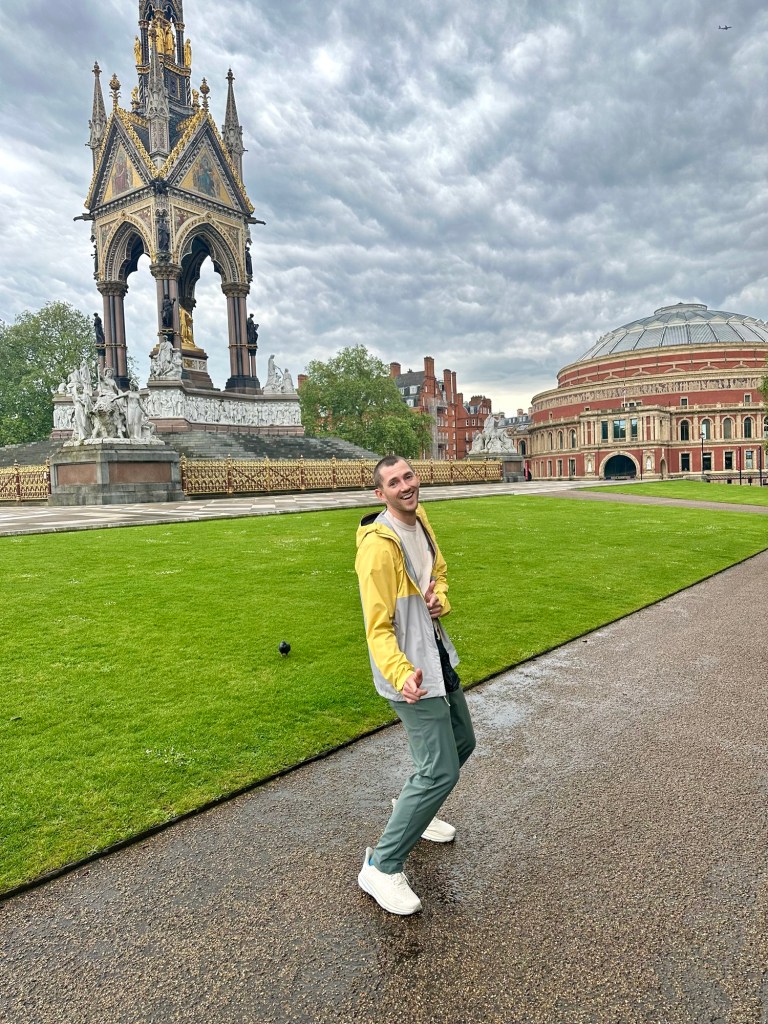
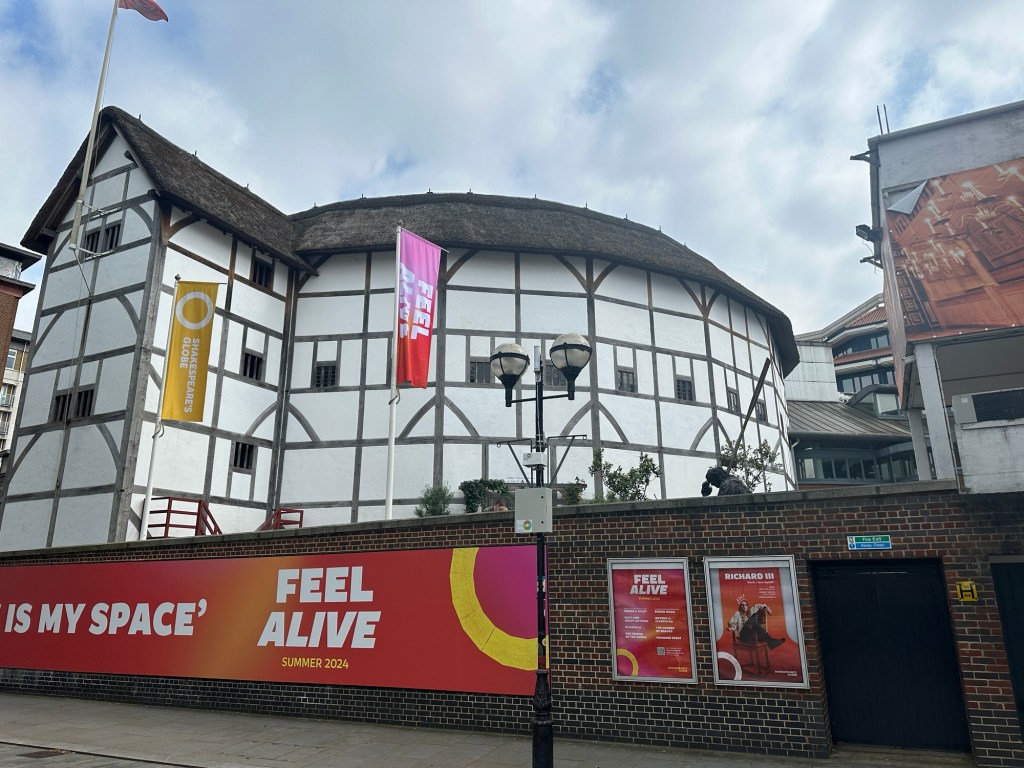
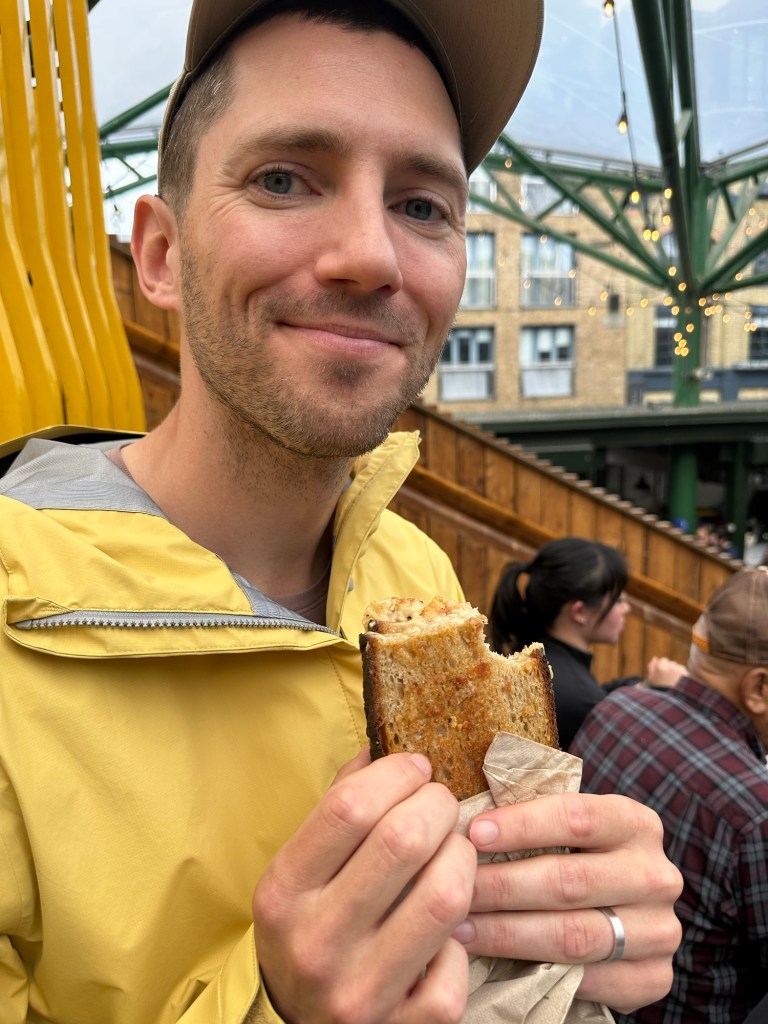
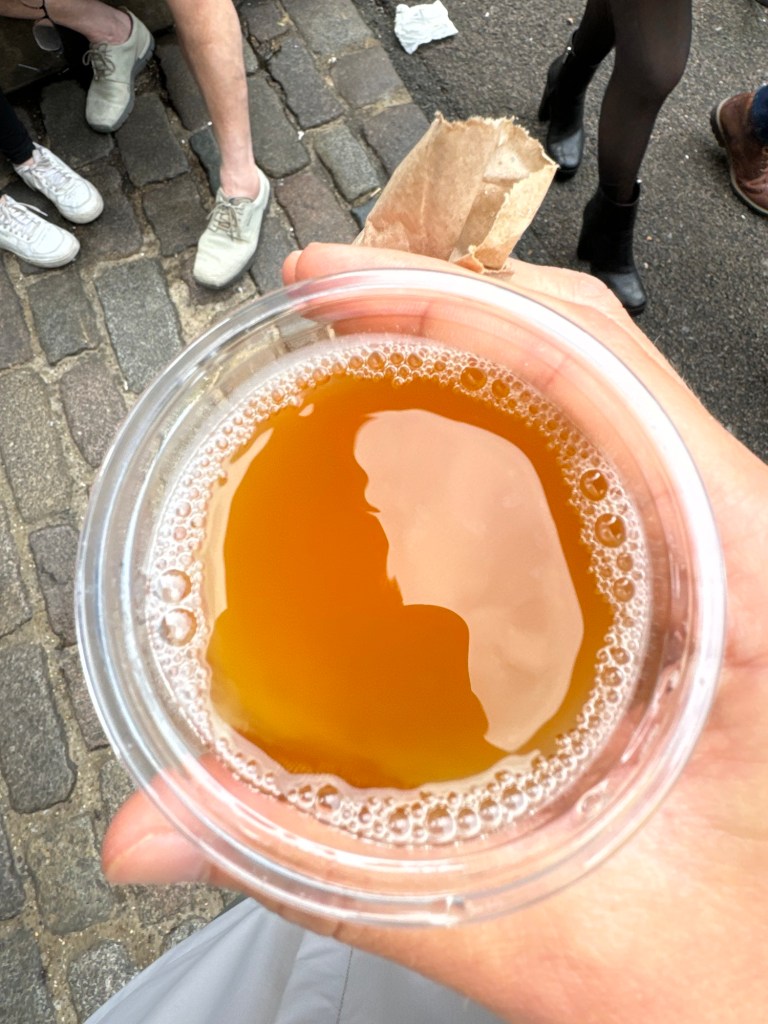
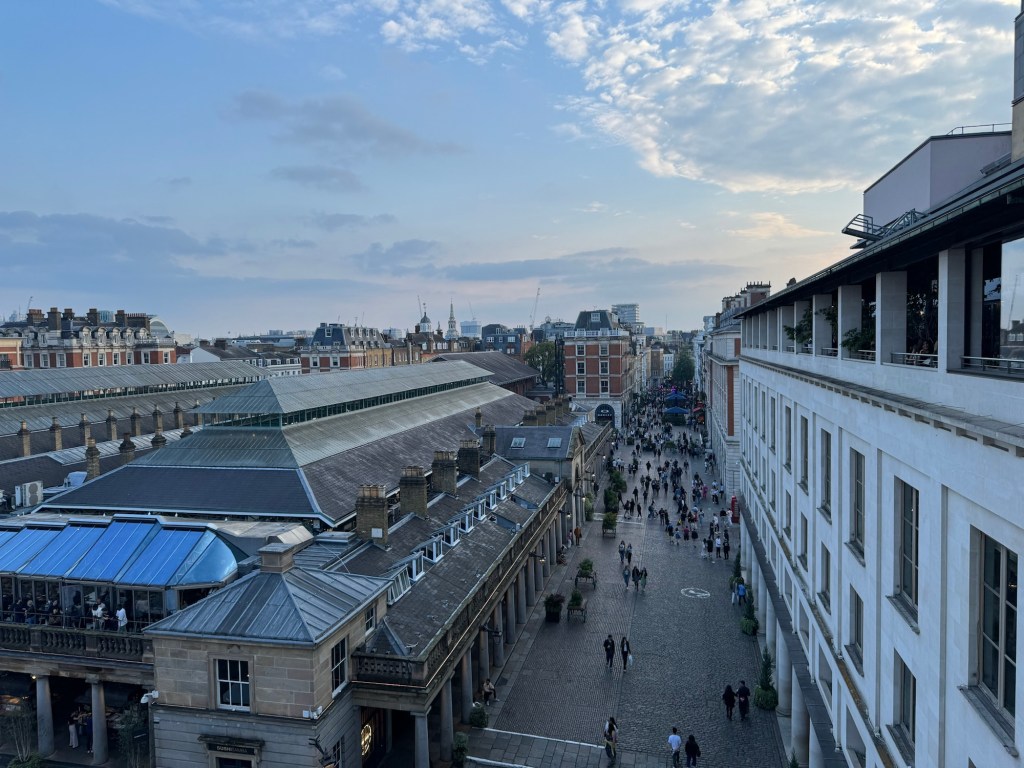
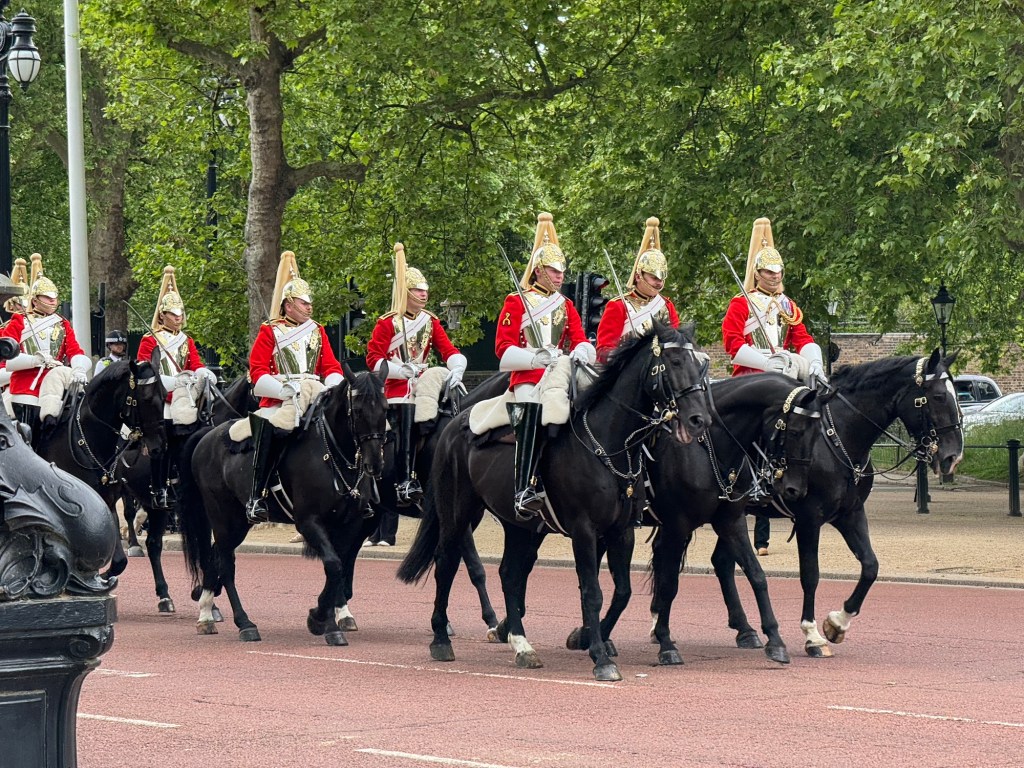
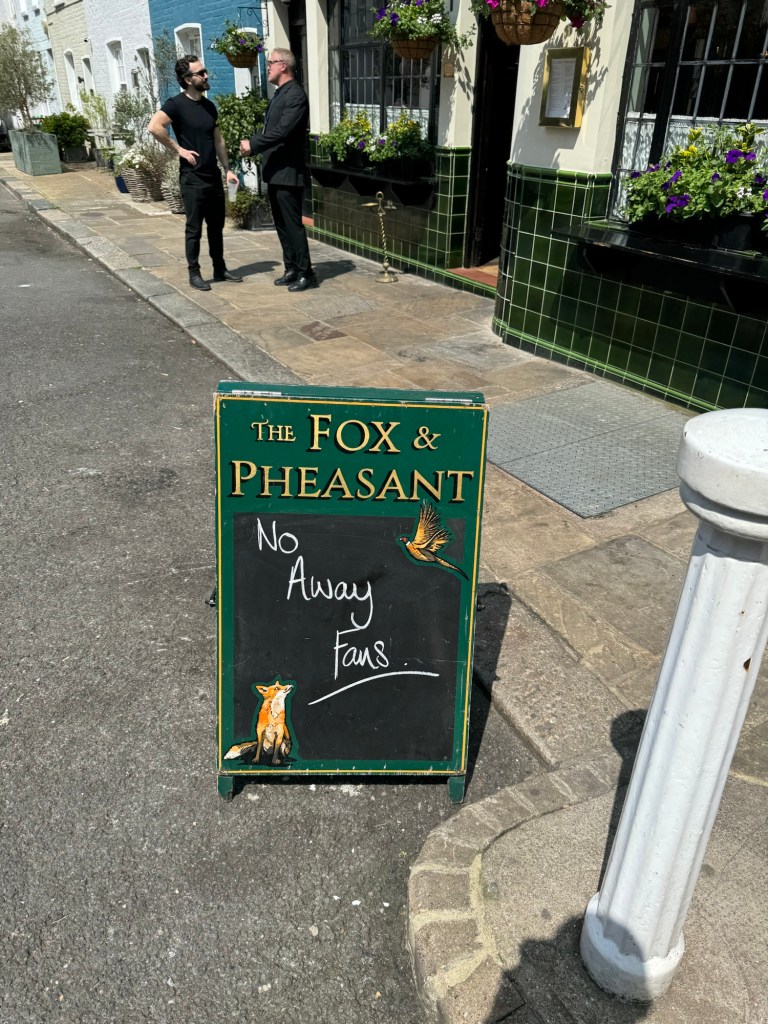
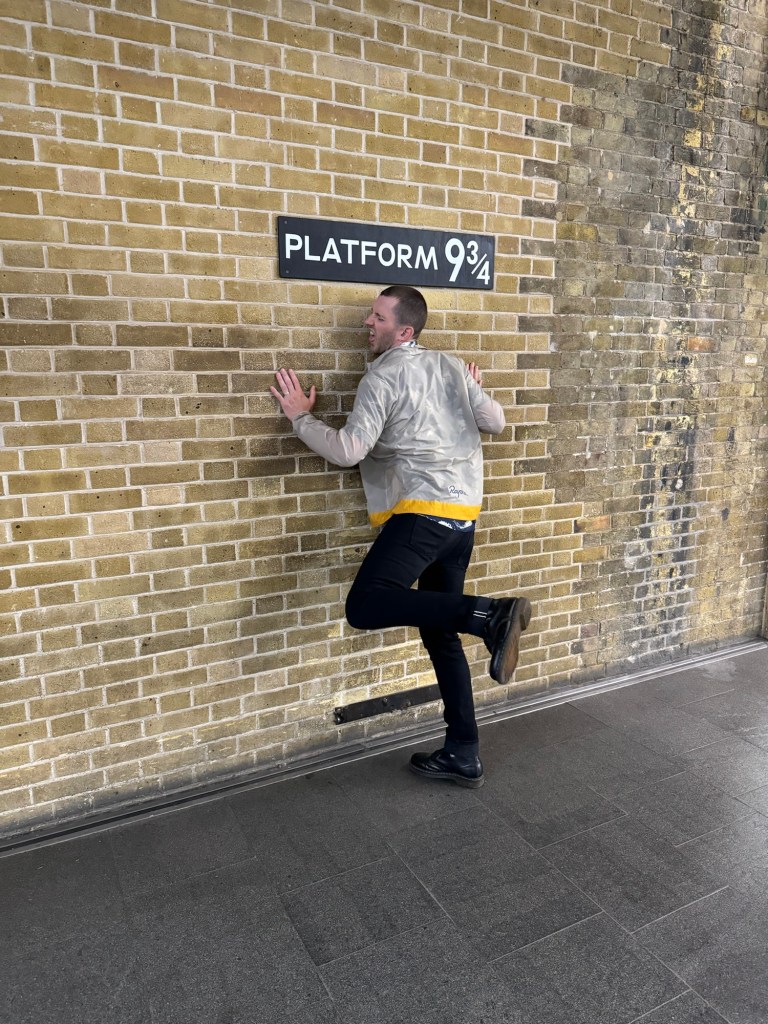
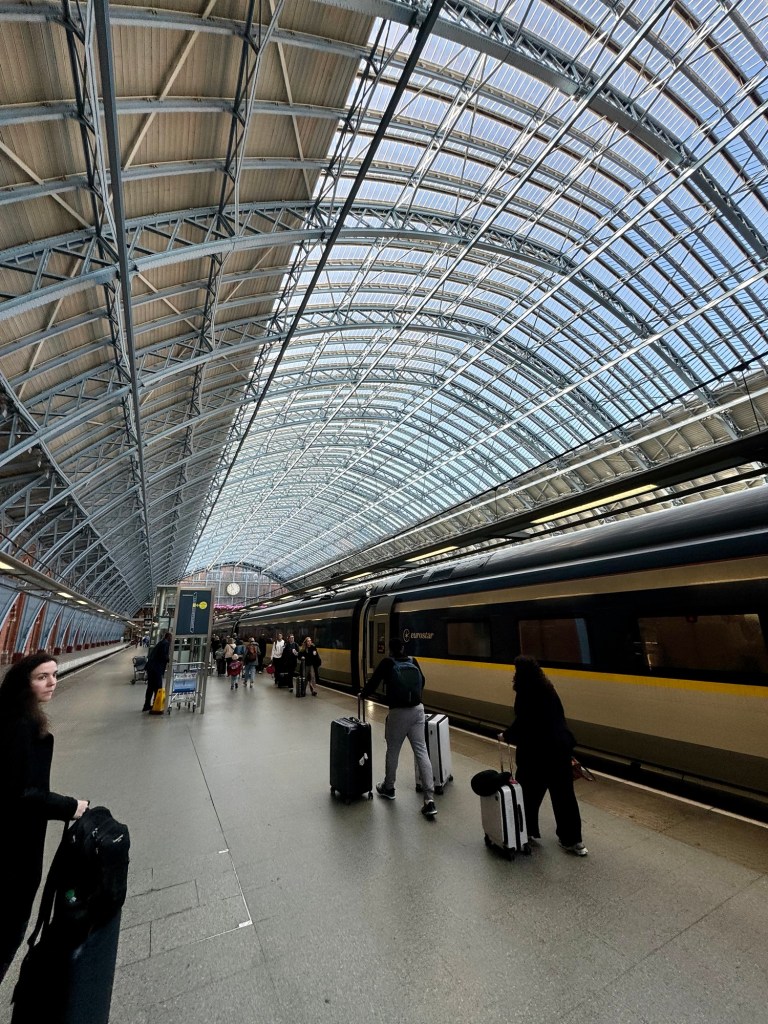
Big Ben after its Covid facelift. I’ve been fascinated since childhood by gargoyles, and these may be the coolest I’ve seen in person.Shoutout iPhone 25x zoom!Goofing around in front of the Prince Albert Statue and Royal Albert Hall in Kensington Gardens. Queen Victoria commissioned the monument in memory of her beloved husband.Shakespeare’s Globe Theater, rebuilt replica of the original, lost in the fire of London. Borough Market from above. Food and drinks worth fighting the crowds. Famous cheese toastie from Kappacasein Dairy in the market. I had one ~8 years ago, and have been waiting for my chance to get back. Bone dry cider … the proprietor tried to convince me to taste before buying, because so many people send it back. It’s a strange experience to get apple flavor with zero sweetness, but I loved it. Where’s Waldo?Drinks at the bar on the London Opera House balcony. The type of thing you see near Buckingham Palace. In Chelsea on a game day. Birthday brunch for a friend, at one of the best pubs for the famous Sunday Roast, traditional dishes and Real Ales. Ordering a Real Ale with an American accent (cask ale with natural carbonation, served not that cold), the bartenders will usually try to politely ask if you actually know what you’re in for. I love them, they are fresh and drinkable!The Opera House. Sort of a bummer, there used to be a Harry Potter luggage cart and scarf here for a free photo opp. Now there’s a gift shop and they only have the props out during the day, and you have to wait in line. Luckily we were there after hours. Leaving for Amsterdam by train. Traveling cross-border on trains in Europe is such a pleasant and calm experience, there’s nothing like it.
For someone who already loves cycling, doing it in Amsterdam for the first time is a peak experience. For someone who grew up in Amsterdam, you may be ruined for cycling almost anywhere else.
Only a city built before cars can have bike infrastructure so fundamental to its design. By comparison, Chicago, New York, and other US cities are maddeningly bad. It’s so easy to do this up front on streets built for people and horses, but so hard to retrofit streets built for cars.
The feeling of riding there is impossible to describe, it’s a different dimension, like skiing on ice your whole life and then discovering powder. It’s like visiting a new planet, where everyone is nice to each other all the time, and can’t imagine being mean. Here are my observations of what makes Amsterdam so special for cyclists:
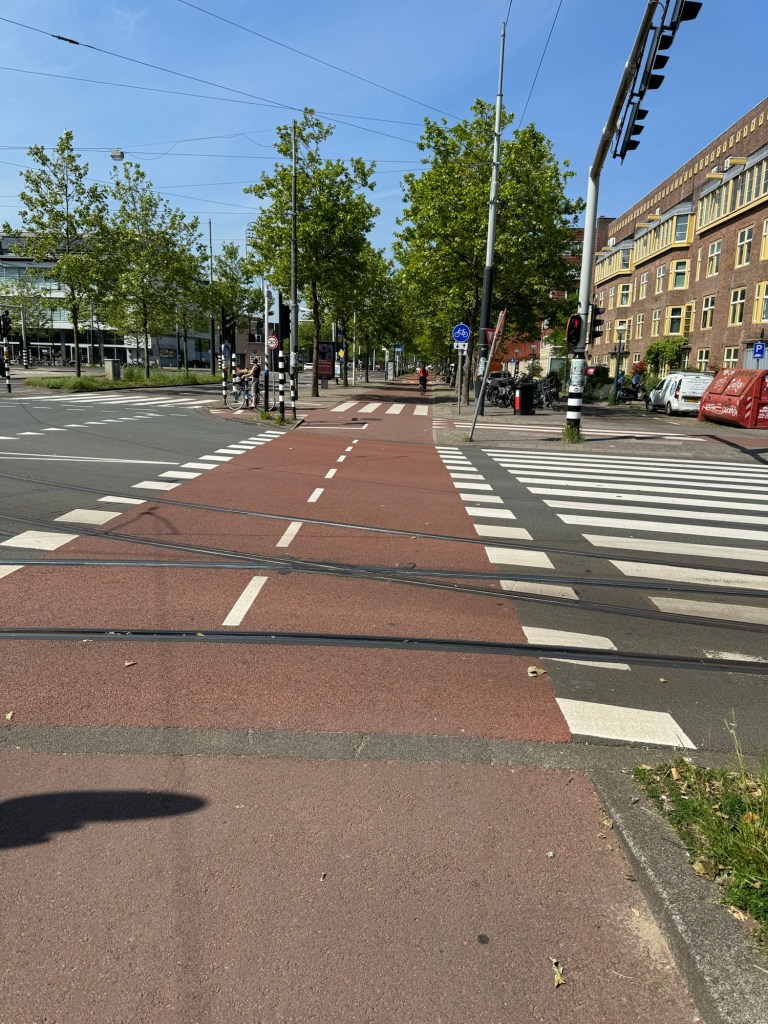
Three levels, for each its own. In the second photo below, you see a typical street near the city center. The sidewalk, bike path, and road are three distinct surfaces and/or levels. It’s impossible to overstate the feeling of safety and ease this creates, when your entire ride, not just portions, are protected. And when the protected areas are not carved out of a road or sidewalk, but there by design.
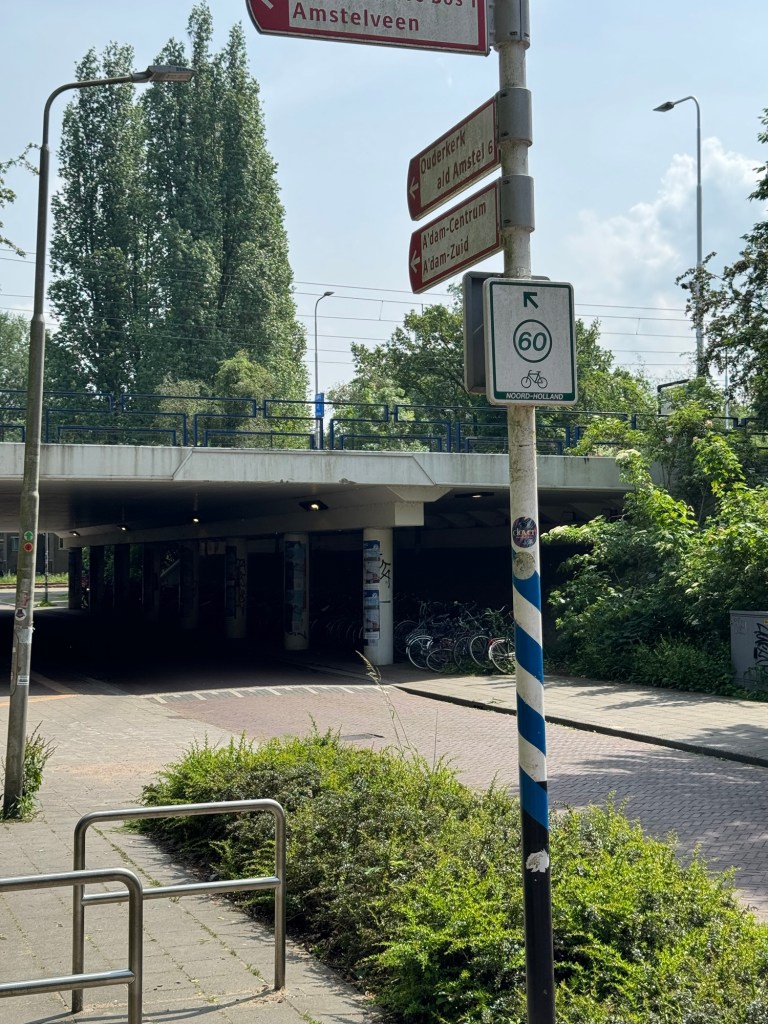
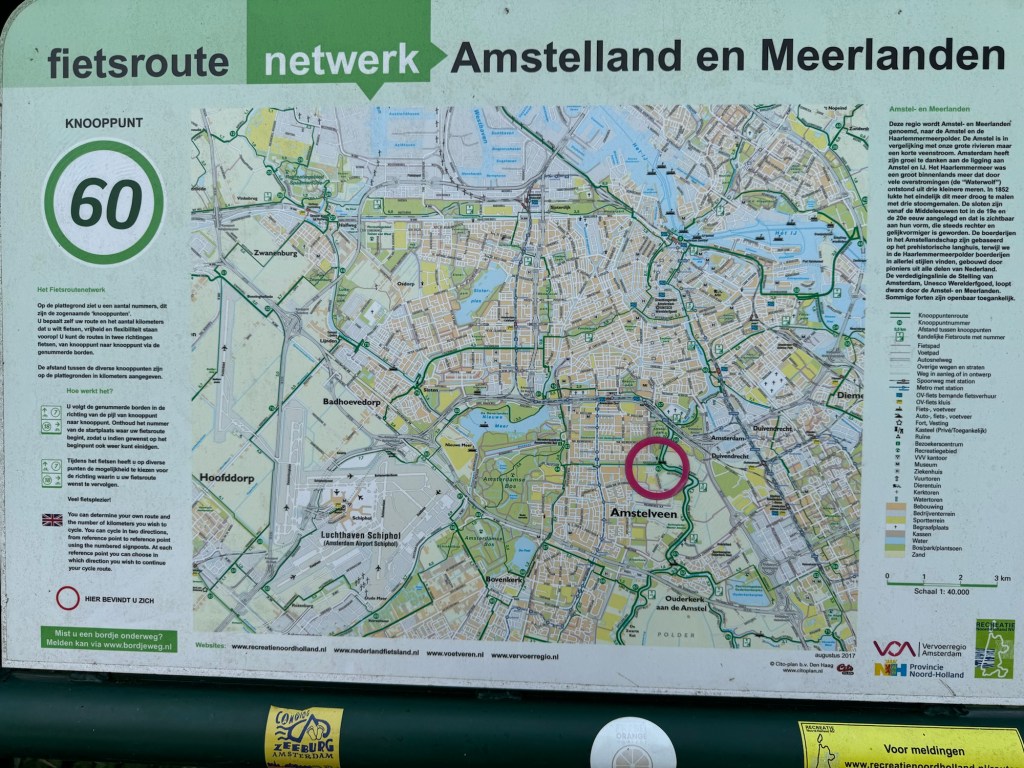
Bike grid and handy maps. Also pictured below, you can see the fietsroute (bike route) system, where major destinations are numbered, and highly visible signs guide you along your route. Major intersections and numbered destinations have large, easy to read maps, to help you find your next waypoint. Once you have it, just follow the signs with your number, and go!
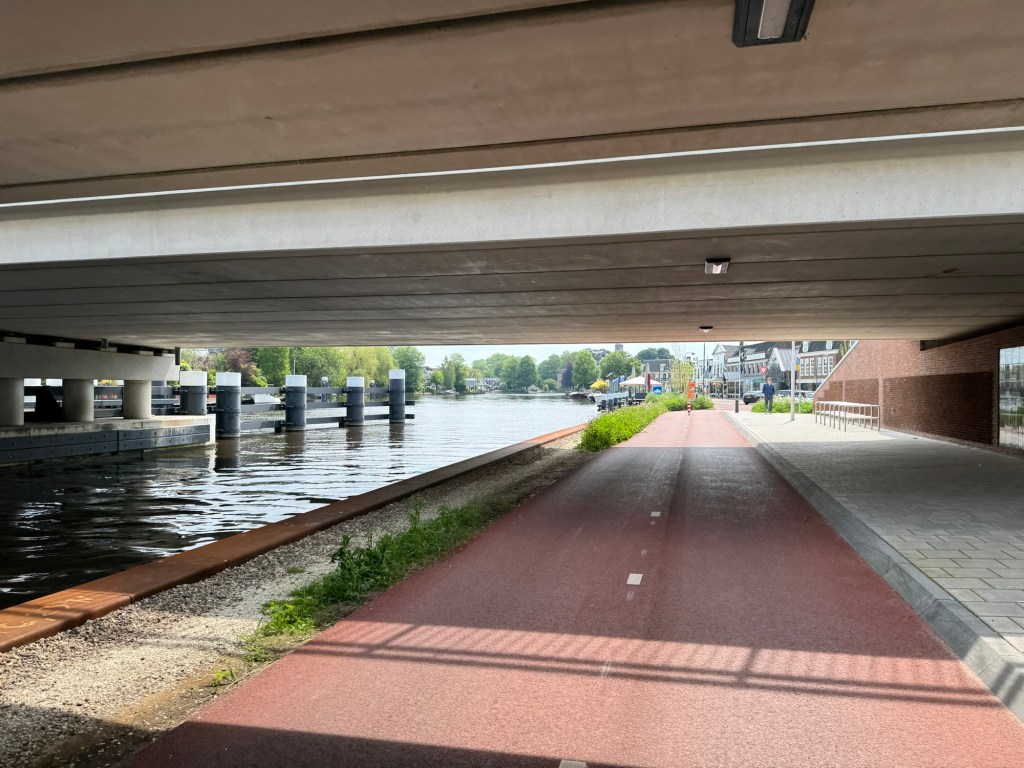
Ped&bike bridges and interchanges. Most canal crossings are pedestrian and bike only, and along the greenway bike routes, all highway crossings have dedicated interchanges always separate from the road. Again, the feeling of safety is so pervasive that it feels like you’ve been doing something wrong most of your life.
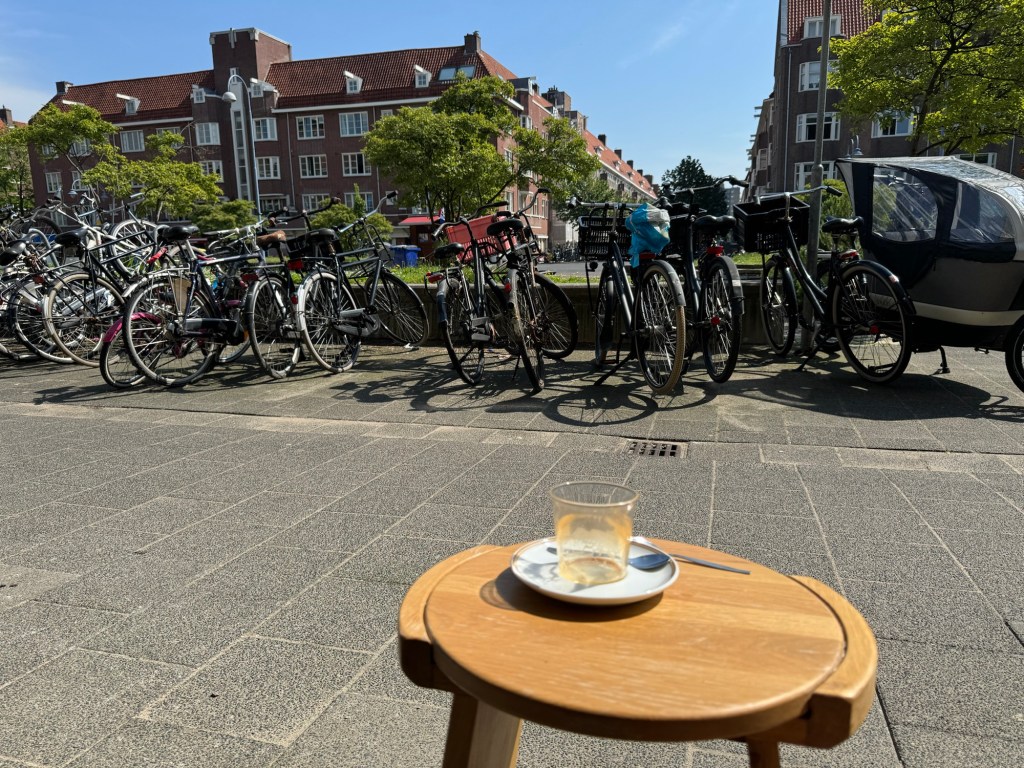
Strength in numbers. Cyclists and bikes are just everywhere. Hundreds are bikes are parked in busy areas and tourist destinations. You can spot a tourist because we’re the only ones who forget to check before wandering across a bike lane.
Bikes of all shapes. Cargo bikes, commuter bikes, road bikes, cruisers, and any thing else you can think of. The Urban Arrow style of commuter bike is super common, and it’s a happy feeling to be constantly passing by moms and dads touting kids. I saw a pair of guys riding with full sets of golf clubs on their backs.
Streets are for people. In the city, cars really do feel like visitors with precarious status. They drive gingerly, inching through intersections and around corners, giving people, bikes, scooters, trams, and strollers the right of way. Many cars are miniature. I felt wrong calling an Uber to pick me for the airport, and I wasn’t even certain it would be able to reach me because I’d seen so few cars on my street.
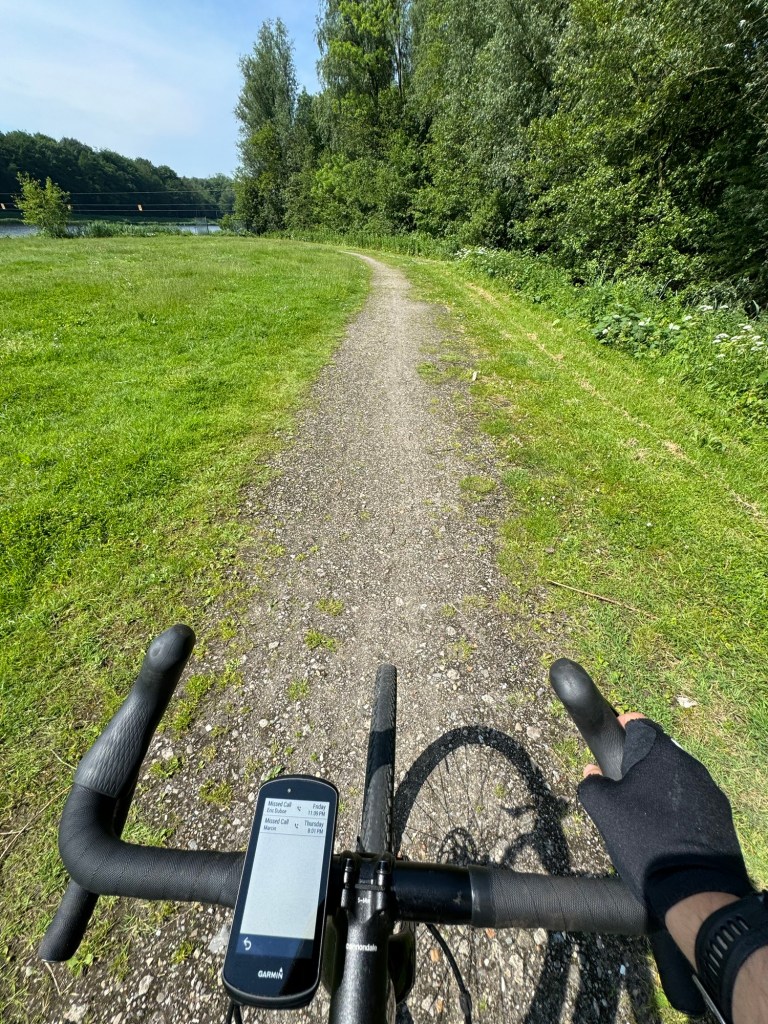
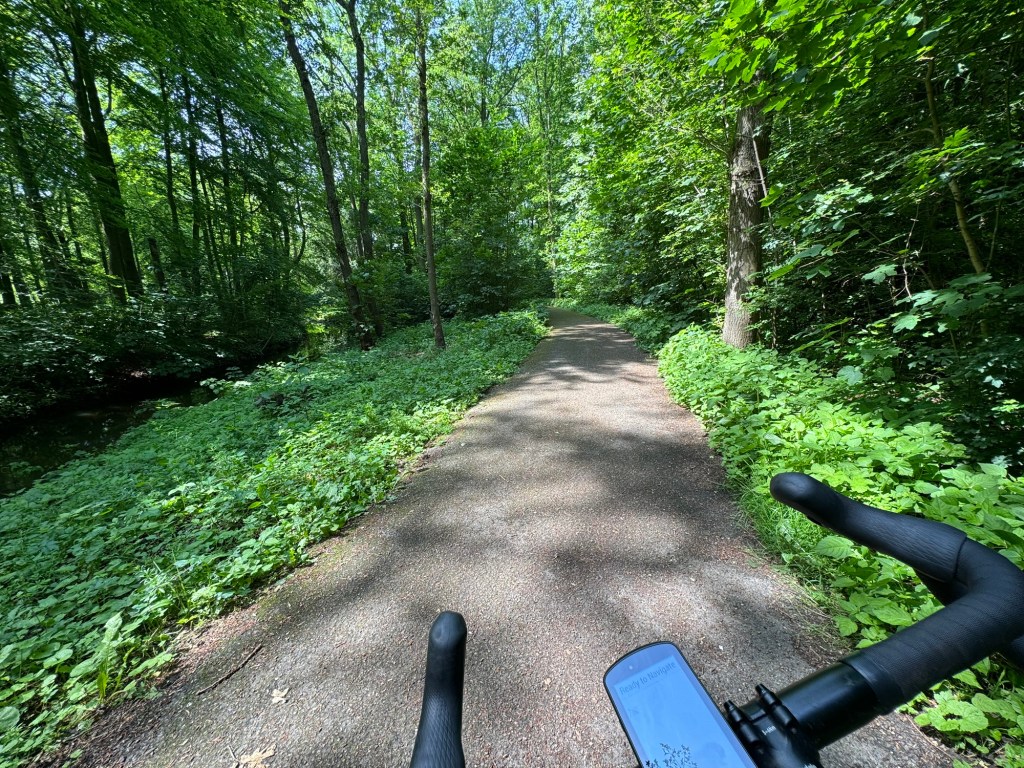
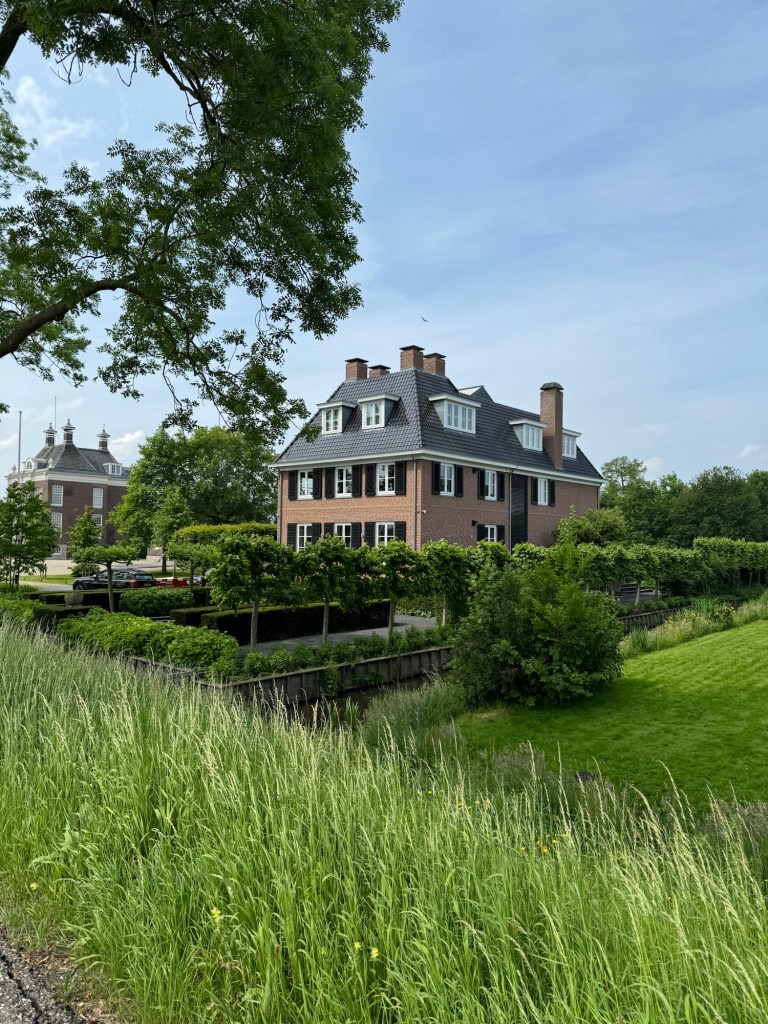
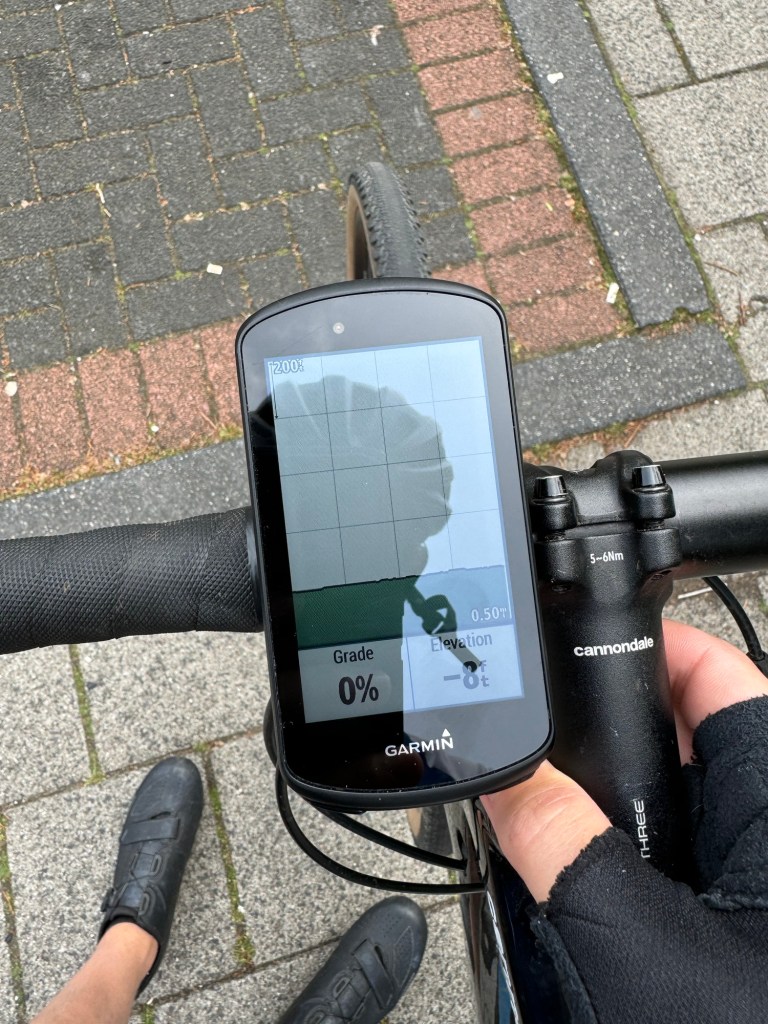
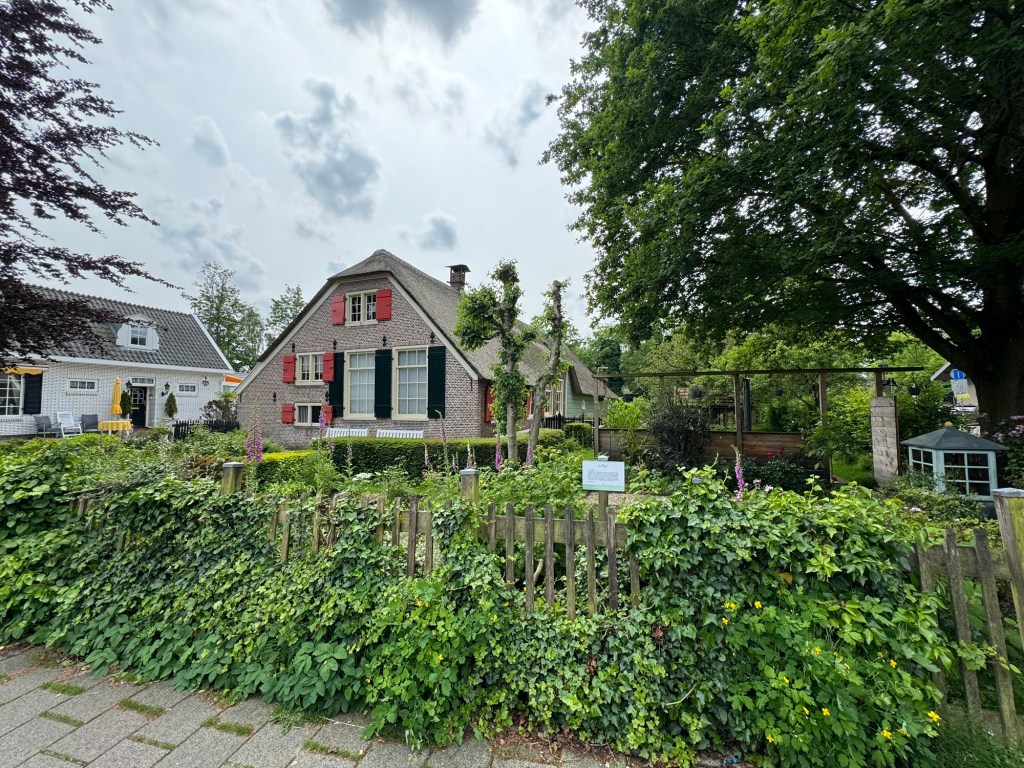
A pedestrian bridge cover one of the ubiquitous canals. Sidewalk, then bike path, then road. Kicking of my bike adventure. Typical bike parking. This sight is everywhere. On my long ride, I was never sharing a surface with cars for more than about 40 feet at a time. Signs along the bike network guide you to your destination. 60 was the number for the quaint village of Ouderkerk aan de Amstel (pics below), about 9 or 10 miles outside the city.I took a different route back to the city, following the river and waypoints 50, 57, and then 56, then I was back!Above is a major highway which would have separated me from the village. The underpass is nice, but there’s also a bike interchange above, allowing you to cross the river without ever going near the actual road. Riding through Amsterdamse Bos (Amsterdam Forest), a giant wooded park on the south side of the city. I won. I’d never ridden a gravel bike, the only reason I chose it was because the shop had full carbon gravel bikes but only aluminum for road bikes, and I’m a snob. But I’m so glad I did—I now get why people love them. The homes along the Amstel River are absolutely beautiful. I assume they are mostly weekend houses for wealthy people?Windmills of course. Worth a detour for a better pic. My elevation was negative for most of this ~three-hour ride, meaning I was riding on polders—reclaimed land that would naturally be submerged.. The windmills and canals are part of the system of dikes, levees, and pumps that keep Amsterdam above water. In Ouderkerk village. This appeared to be some sort of working historical farmhouse / museum.Apple pie at Bakker Out, a bakery open since 1897, is the traditional refuel for cyclists on this route. You can’t break with tradition.
Some observations from my first trip to Amsterdam:
If you’re sitting alone in a busy cafe or bar, people will ask to share your table; not because they want to talk to you, just until another table opens up. This happened often, both from Dutch people and tourists. Once another table opened, they thanked me and got up.
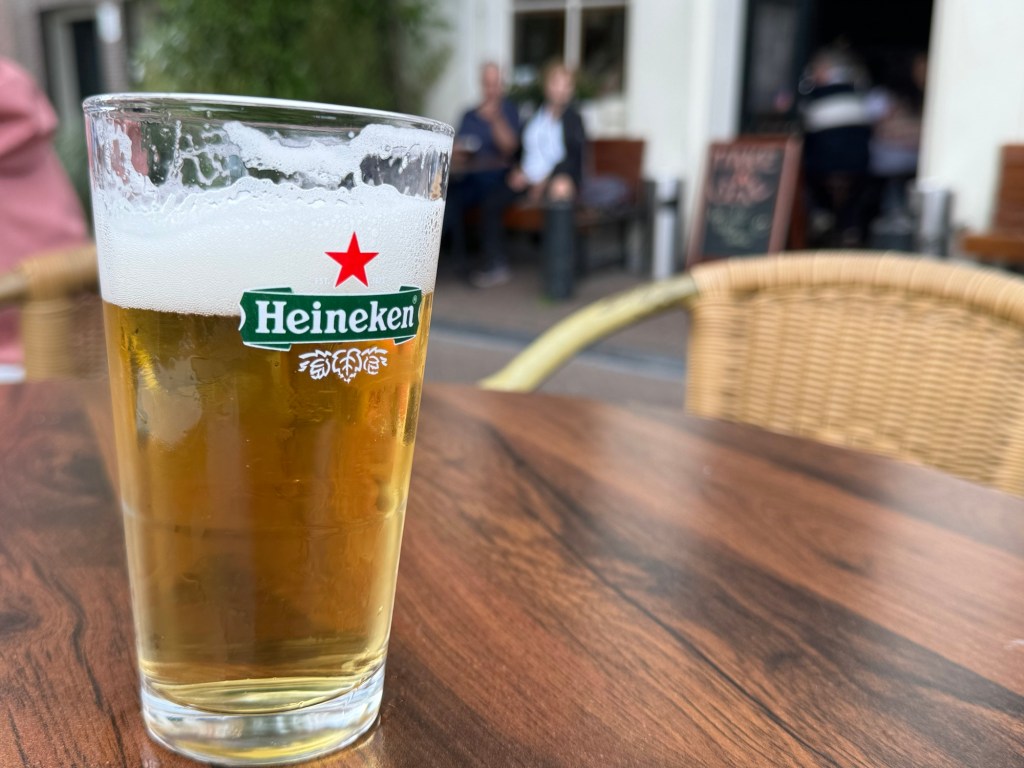
The Heineken is much, much better in Amsterdam. Can’t tell if it’s a different recipe than the US version, or just fresher (or placebo).
The biking infrastructure is incredible; this will probably get its own post later. Only cities that are older than cars can be this good for bikes.
With narrow streets and narrow buildings to match, many apartments are small. People in street level units tend to stand in their doorways, with the front door open right into the living room. They are chatting with friends, smoking, or just watching the street go by. On a nice day, it feels almost like a hallway in a dorm.
Overall the food is not great, but the cheese is excellent. “Fancy” restaurants are expensive but the food is average. You’re better off finding a local cafe that looks crowded and not touristy, and ordering a cheese plate or sandwich.
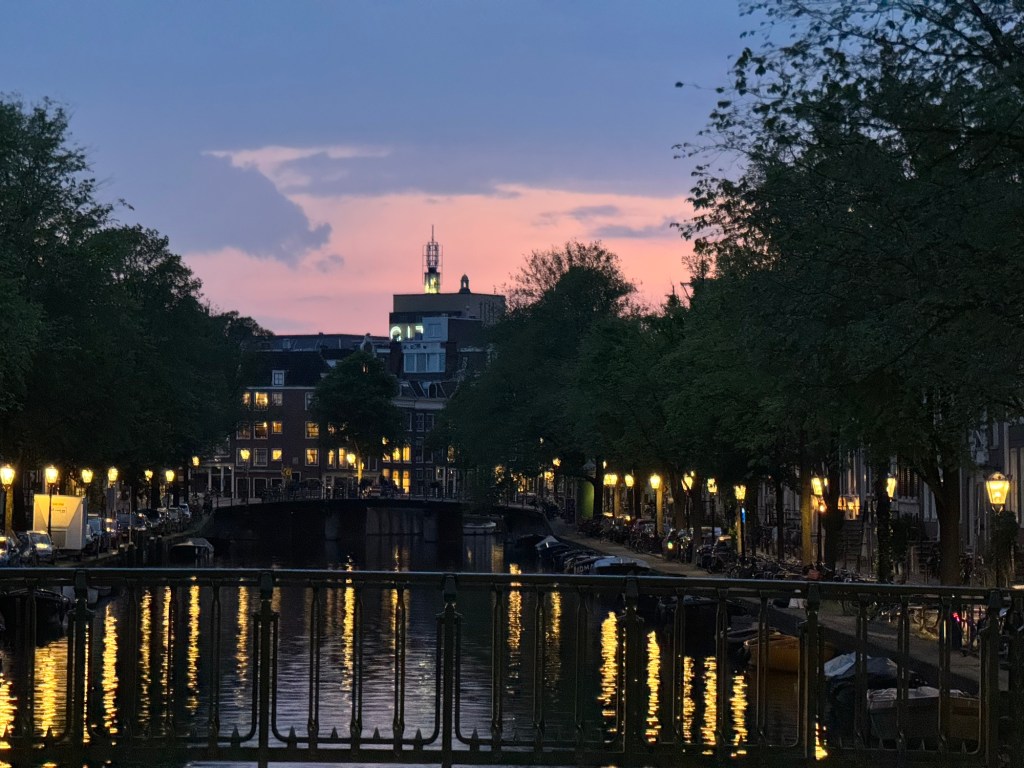
Walking over footbridge after footbridge, canal after canal, is intoxicatingly pleasant. The Heineken is just better there. My little Airbnb on the canal.
I just did a quick debrief call with the travel company that helped us plan and book our honeymoon, Jacada. They told me they were happily following this blog every day during the trip, which made me smile.
Melanie, Delfina, and everyone on the Jacada team were excellent at what they do. The local guides made the trip special; we got to meet and spend the days with some of the most lovely people in Argentina and Chile.
We had the trip of a lifetime, thank you again Jacada.
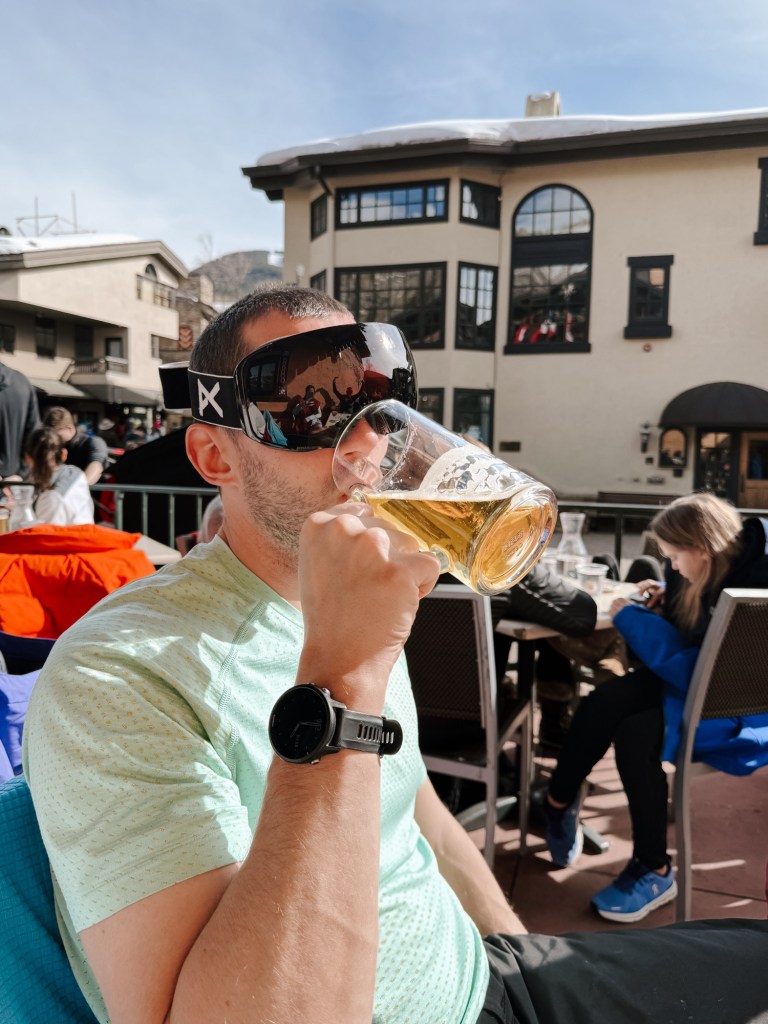
We’re on the road again, skiing in Vail with our friends. It’s my ~13th annual trip with my friend Brian, who now lives here with his wife and son. One of my favorite traditions, and now Kelly joins. It’s the best.
Two Arrows Coffee is my happy place.Great snow and better company.Successful day on the slopes.
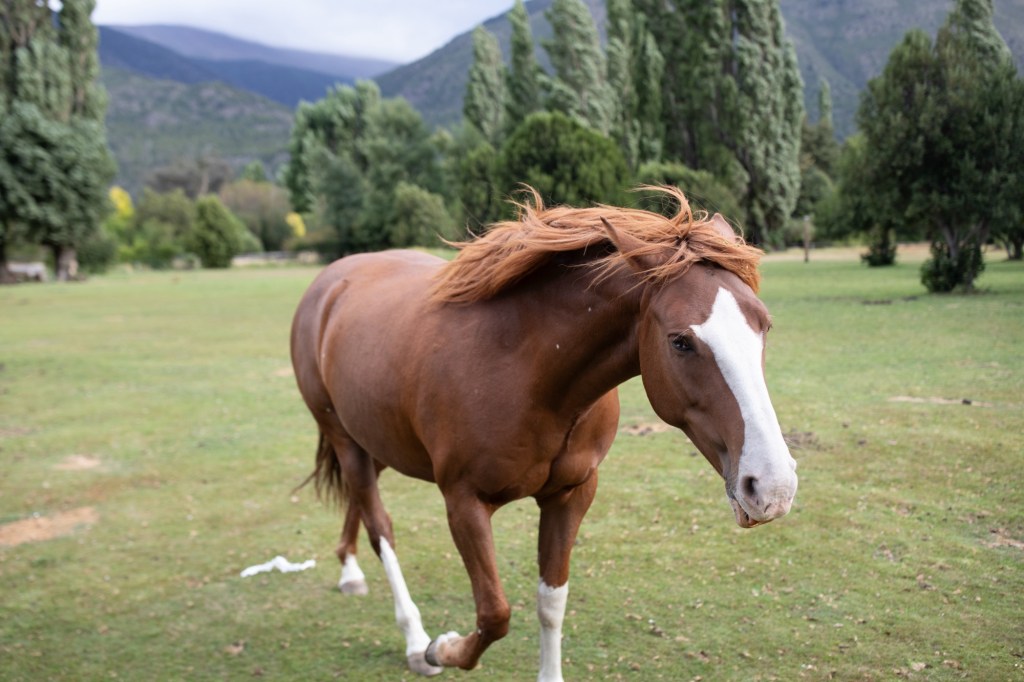
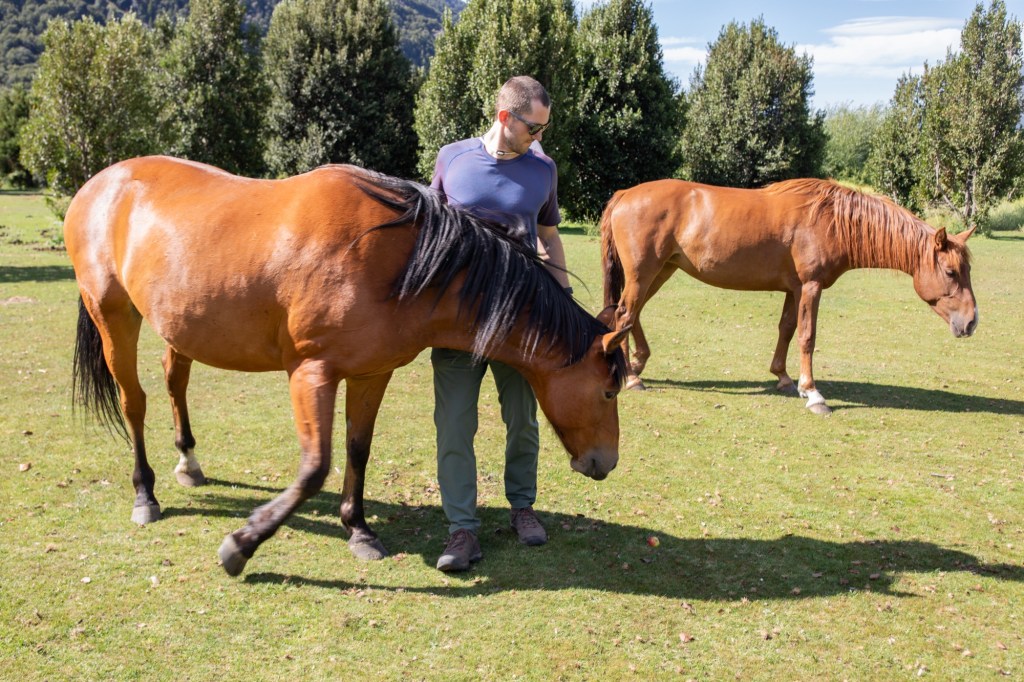
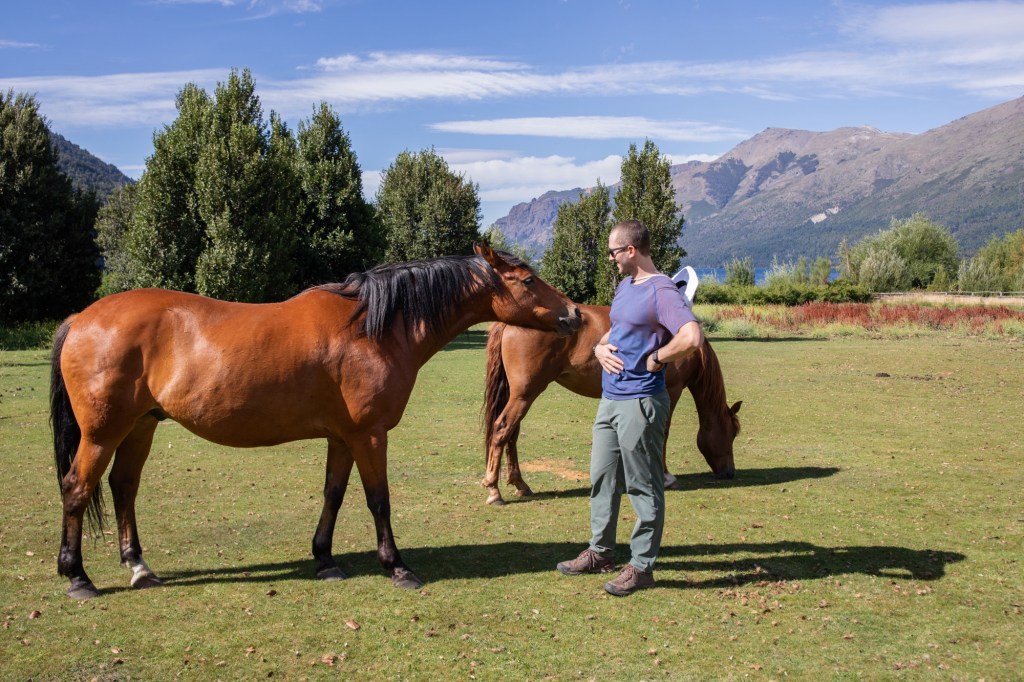
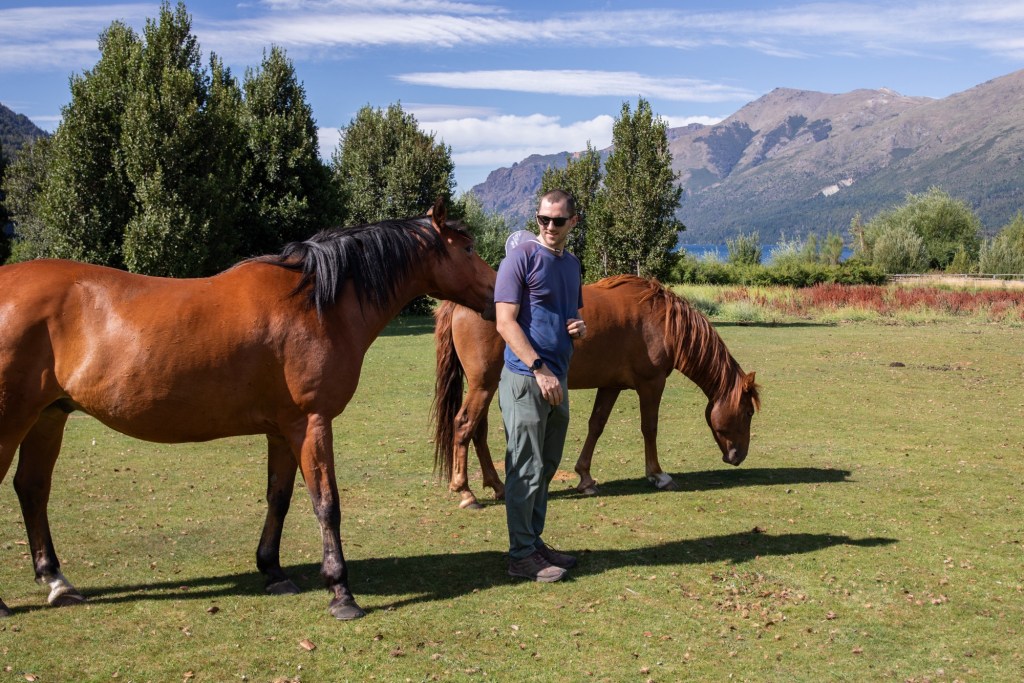
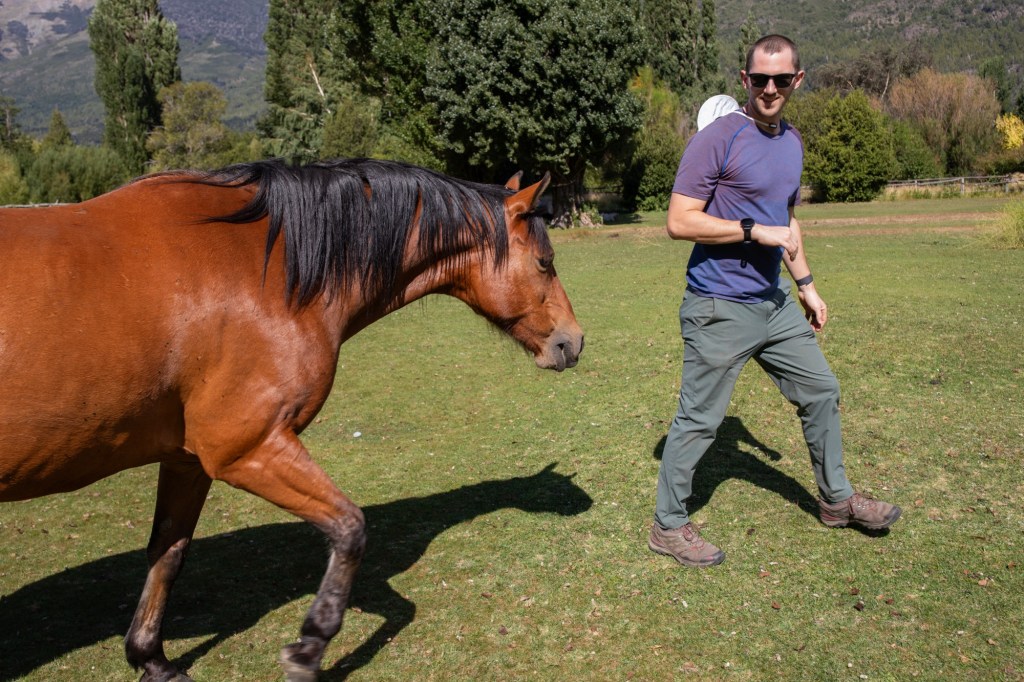
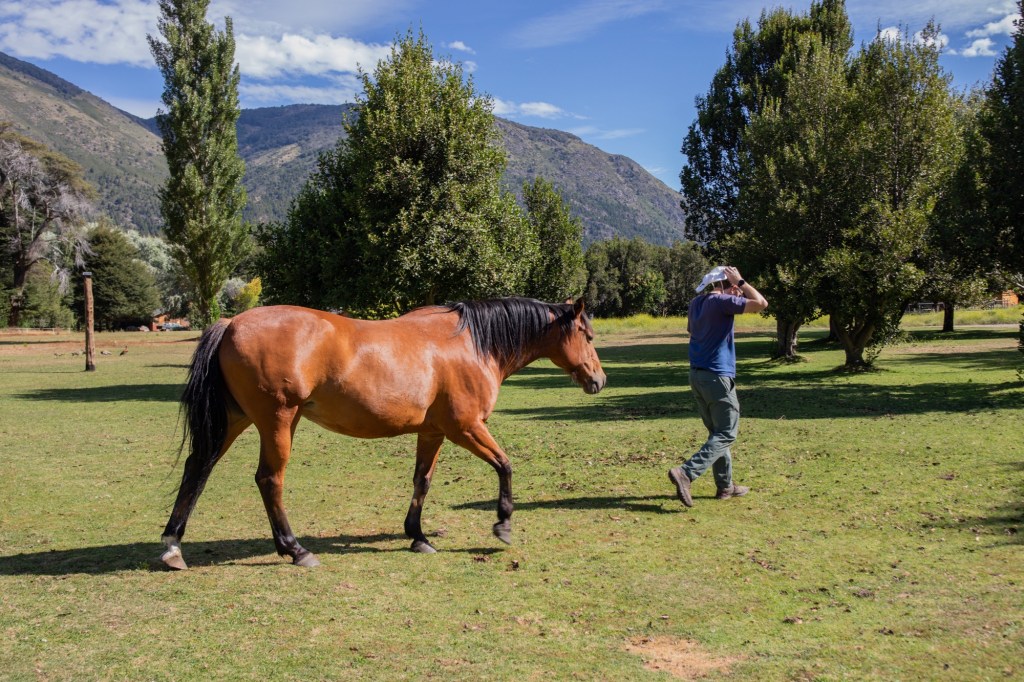
In Bariloche Kelly captured these majestic horse photos.Look at him go.It’s like a painting!We were told we could feed them apples.How it started.Then, this guy on the right showed up.… and he was aggressive.The other horses all left. They know his deal. I was out of apples.He did NOT believe me.Checking my back pockets …… and checking under my hat.Chasing me.Actually chasing me! He was like an eager puppy but 100x bigger.Horses are not just Men Extenders. They have minds of their own.
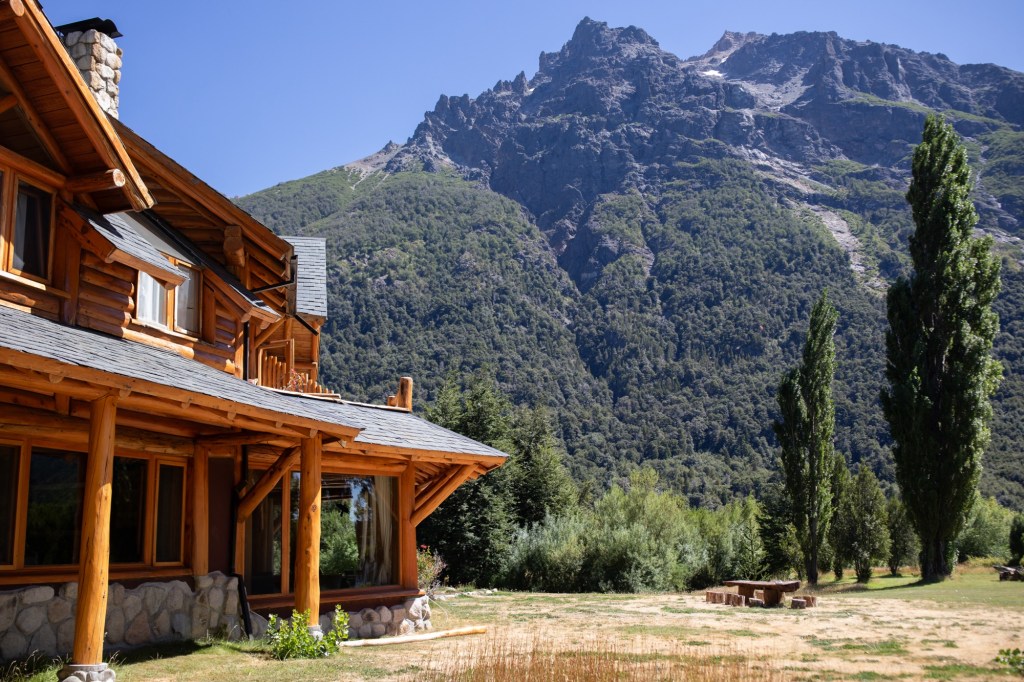
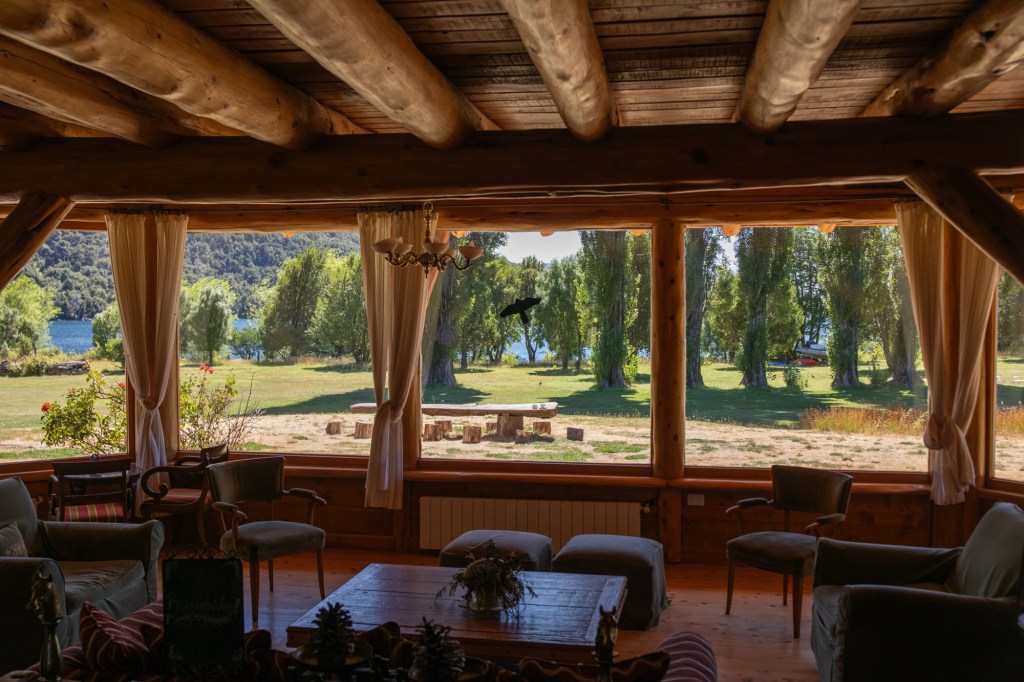
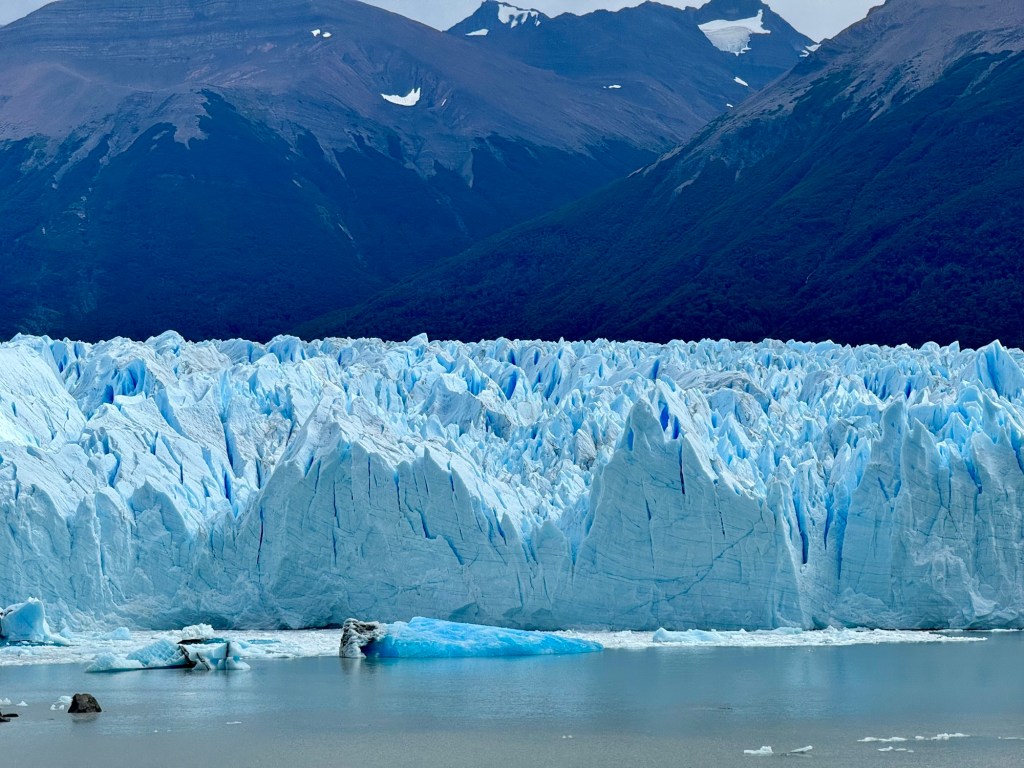
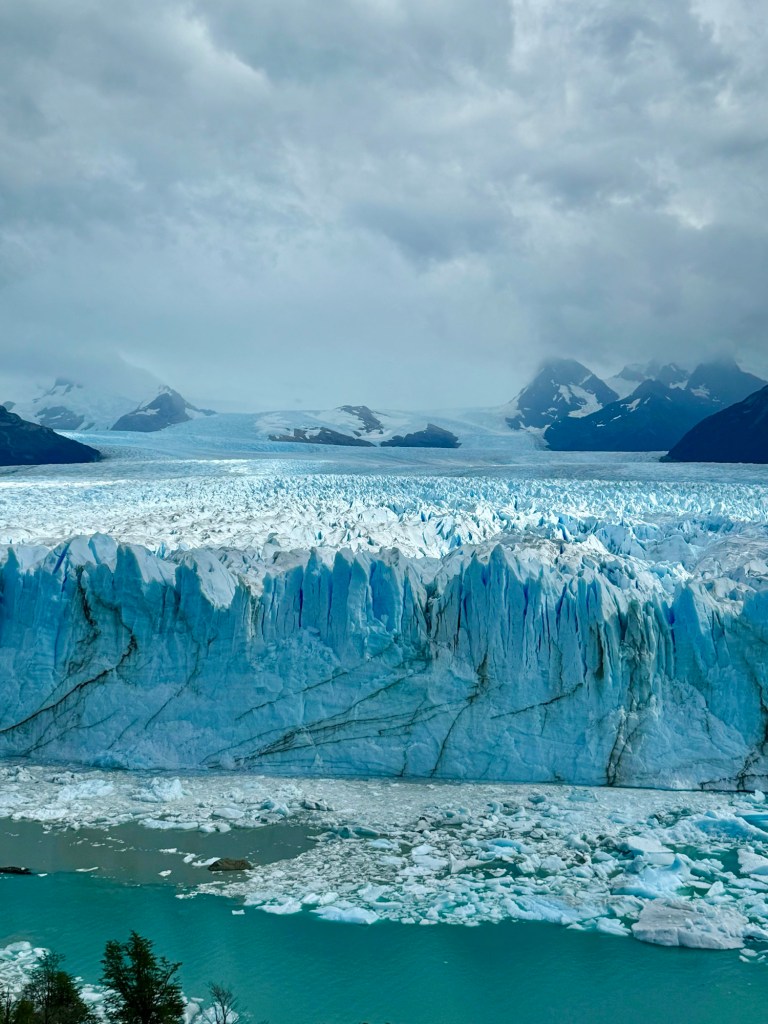
Bariloche in the Lake District of Patagonia.The common area of our hotel.On the way up to the base of Fitz Roy.East face of Cerro Torre, taken the next day on our shorter hike.Now down to the Calafate area, visiting the Perito Moreno Glacier.Even when you’re next to it, it’s impossible to comprehend the size. There is just no sense of scale. These peaks are about five stories above the water. The electric blue piece in the water, which is closer to us than it looks, is at least the size of two school buses. Because of the color, you can tell this piece is super-dense ice, meaning it broke from the bottom and floated up.~Five miles of glacier, slowly advancing over the mountain, fed by the Southern Patagonia Ice Field. The field is 6,000 square miles, larger than Connecticut.Zooming out.All three faces, seen from the catwalks across the water. The part we walked on in the first picture is just barely visible at the far left. It’s the tiny peak you can see at the edge of the frame.Back on the glacier side. Every four years or so, the ice reaches the opposite shore, and creates an ice bridge and a dam. This sign marks the highest level of the lake during the last the bridge in 2018. Apparently, glacier fanatics from all over the world booked stays for that whole summer, and bought tickets into the national park every single day, wanting to see the rupture. Then it broke overnight and no one saw it 😦 .


































 sabbatiblog