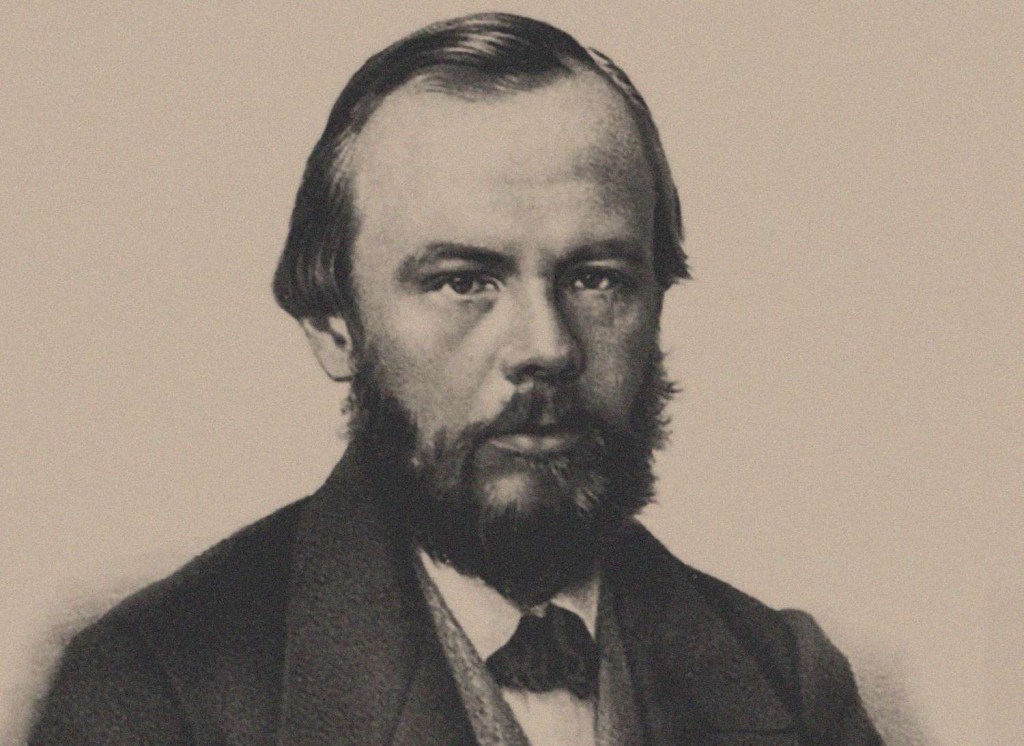
Hours after he stood in front of a real firing squad in what turned out to be a mock execution, Fyodor Dostoyevsky, wrote to his brother Mikhail:
When I look back at the past and think of all the time I squandered in error and idleness, lacking the knowledge I needed to live; when I think of how I sinned against my heart and my soul, then my heart bleeds. Life is a gift, life is happiness … Every moment could have been an eternity of happiness! If youth only knew. Now my life will change, now I will be reborn.
The execution was staged to make Tsar Nicholas look merciful when the actual sentence was handed down for Dostoyevsky’s political subversion: four years of hard labor in a Siberian prison camp. In the letter, he is describing the feeling that grabbed him in what he genuinely believed were his last moments on earth. As he saw the sunlight glinting off of a church steeple, the people moving through the square, and other everyday sights, he tried to fully experience each moment, stretching each into a brief infinity.
I’d heard the story of the mock execution, but only learned about the letter a few weeks ago, and the novelist’s turn of phrase has been rattling in my head ever since. It has become an effective mindfulness device. “Every moment an eternity,” I think to myself lately, any time I manage to catch a moment of mindfulness amidst the normal rush of daily life.
Meditation trains our minds to be present, not just in the few minutes of actual practice each morning, but throughout the rest day. Breaking the spell of distraction, over and over again, is the only goal. And this thought has helped me succeed at that goal more often over the past few weeks.
 sabbatiblog